

How to choose the right distribution box?
Jul 22, 2025
Leave a message
How to Choose the Right Distribution Box?
As a supplier in the distribution box industry, I've witnessed firsthand the importance of selecting the right distribution box for various applications. A distribution box, also known as a fuse box or breaker panel, is a crucial component in any electrical system. It serves as the central hub that distributes electrical power to different circuits within a building or facility. In this blog post, I'll share some key factors to consider when choosing the right distribution box for your needs.
1. Electrical Load Requirements
The first step in choosing a distribution box is to determine your electrical load requirements. This involves calculating the total amount of electrical power that will be consumed by all the devices and equipment connected to the distribution box. You need to consider both the continuous load (devices that run continuously, such as lights and refrigerators) and the non - continuous load (devices that are used intermittently, like power tools).
To calculate the electrical load, you can refer to the power ratings of individual devices, which are usually indicated on their nameplates. Add up the power ratings of all the devices to get the total load. Once you have the total load, you can choose a distribution box with an appropriate amperage rating. For example, if your total load is 100 amps, you should select a distribution box with a rating of at least 100 amps.


2. Number of Circuits
Another important factor is the number of circuits you need. Different electrical systems require different numbers of circuits depending on the number of devices and areas to be powered. For a small residential building, a distribution box with 10 - 20 circuits may be sufficient. However, for a large commercial or industrial facility, you may need a distribution box with 50 or more circuits.
When determining the number of circuits, consider future expansion. It's always a good idea to leave some extra space for additional circuits in case you need to add more electrical devices or equipment in the future.
3. Type of Distribution Box
There are several types of distribution boxes available in the market, each designed for specific applications.
-
Waterproof Distribution Box: If your distribution box will be installed in an outdoor or wet environment, a Waterproof Distribution Box is essential. These boxes are designed to protect the electrical components from water, moisture, and dust. They are typically made of materials such as stainless steel or fiberglass, which are resistant to corrosion.
-
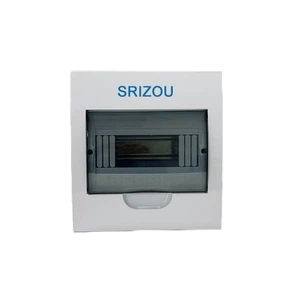
Plastic Distribution Box: Plastic distribution boxes are lightweight, inexpensive, and easy to install. They are suitable for indoor applications where there is no risk of water exposure. You can find a wide range of Plastic Distribution Box options in the market, with different sizes and configurations.
-
Metal Distribution Box: Metal distribution boxes, usually made of steel or aluminum, are more durable and provide better protection against physical damage. They are commonly used in commercial and industrial settings.
4. Safety Features
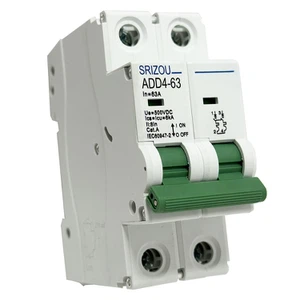
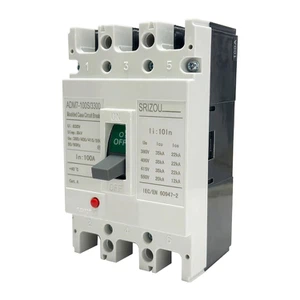
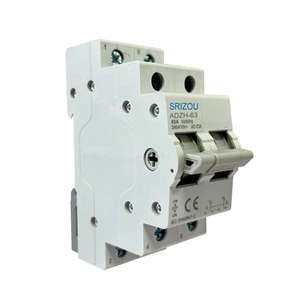
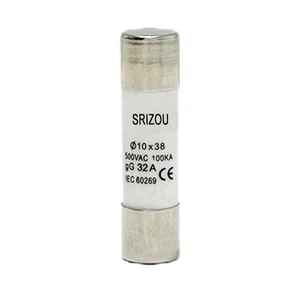
Safety is of utmost importance when it comes to electrical systems. When choosing a distribution box, look for safety features such as circuit breakers or fuses. Circuit breakers automatically trip when there is an overload or short - circuit, cutting off the electrical power and preventing damage to the electrical system and potential fire hazards. Fuses, on the other hand, are sacrificial devices that melt when there is an excessive current, also protecting the system.
In addition, the distribution box should have proper grounding to ensure the safety of users. A well - grounded distribution box helps to redirect electrical faults to the ground, reducing the risk of electric shock.
5. Quality and Certification
The quality of the distribution box is crucial for its long - term performance and safety. Look for distribution boxes that are manufactured by reputable suppliers and meet relevant industry standards. Certifications such as UL (Underwriters Laboratories) or CE (Conformité Européene) indicate that the distribution box has been tested and meets the required safety and performance standards.
6. Ease of Installation and Maintenance
Consider the ease of installation and maintenance when choosing a distribution box. A distribution box that is easy to install can save you time and labor costs. It should come with clear installation instructions and all the necessary mounting hardware.
Maintenance is also an important aspect. The distribution box should be designed in such a way that it is easy to access the internal components for inspection, repair, and replacement. For example, it should have removable covers and well - organized wiring.
7. Cost
Cost is always a consideration when making a purchasing decision. While it's important to stay within your budget, don't compromise on quality and safety. Compare the prices of different distribution boxes from various suppliers, taking into account the features, quality, and certifications. Sometimes, paying a little more for a high - quality distribution box can save you money in the long run by reducing the risk of electrical failures and maintenance costs.
Conclusion
Choosing the right distribution box is a critical decision that can affect the safety and performance of your electrical system. By considering the factors mentioned above, you can select a distribution box that meets your specific needs. As a distribution box supplier, I'm committed to providing high - quality products and professional advice to help you make the right choice.
If you're in the process of selecting a distribution box for your project, I encourage you to contact us for more information and to discuss your requirements. Our team of experts is ready to assist you in finding the perfect distribution box solution. Whether you need a waterproof distribution box for an outdoor installation or a plastic distribution box for an indoor application, we have a wide range of options to meet your needs. Don't hesitate to reach out and start the purchasing process.
References
- Electrical Wiring Handbook, 17th Edition
- National Electrical Code (NEC)
- UL Standards for Distribution Boxes
Send Inquiry