null
 
KINO ELECTRICS CO. LTD:Your Professional Change Over Switch Manufacturer !
 

KINO was established in 2005 and is a professional manufacturer of low voltage electrical device. We are specialized in manufacturing the mini circuit breakers, molded case circuit breakers, ac contactors, over load relays, photovoltaic series breakers and other related electrical baskets of products. Our mission is to be a professional manufacturer for worldwide customers with high quality and best service.

Rich Products

Our company can produce mini circuit breakers, isolating switches, leakage circuit breakers, single-phase leakage circuit breakers, three-phase leakage circuit breakers, lightning arresters, molded case circuit breakers, distribution boxes, etc.

Advanced Equipment

We have 1600M² of work space and 5 production lines, as well as various assembly, calibration, packaging and other equipment.

Versatile Products

Our mini circuit breaker is an overcurrent protection device used in residential, commercial and industrial electrical systems; and the isolating switch is an important switching device in the power system. The isolating switch can be used in conjunction with other control equipment to realize the control of the power system.

Leading Service

We have many years of industry experience and a complete production management, quality supervision, sales service operation system. Whether you want to buy a mini circuit breaker or a molded case circuit breaker, just send your requirements via email and we can customize the product for you.

What is Change Over Switch?


A change over switch, also known as a transfer switch or a crossover switch, is an electrical device designed to facilitate the transfer of power supply between two sources. It allows users to switch from one power source to another manually or automatically, ensuring a continuous and reliable power supply. Change over switches are integral components in scenarios where a backup power source, such as a generator or an alternate power grid, is employed to prevent interruptions during power outages or maintenance activities.


Types of Change Over Switch

There are various types of change over switches available, each designed to cater to specific requirements and applications. There are two main types include manual and automatic change over switches according to how the switch is triggered.

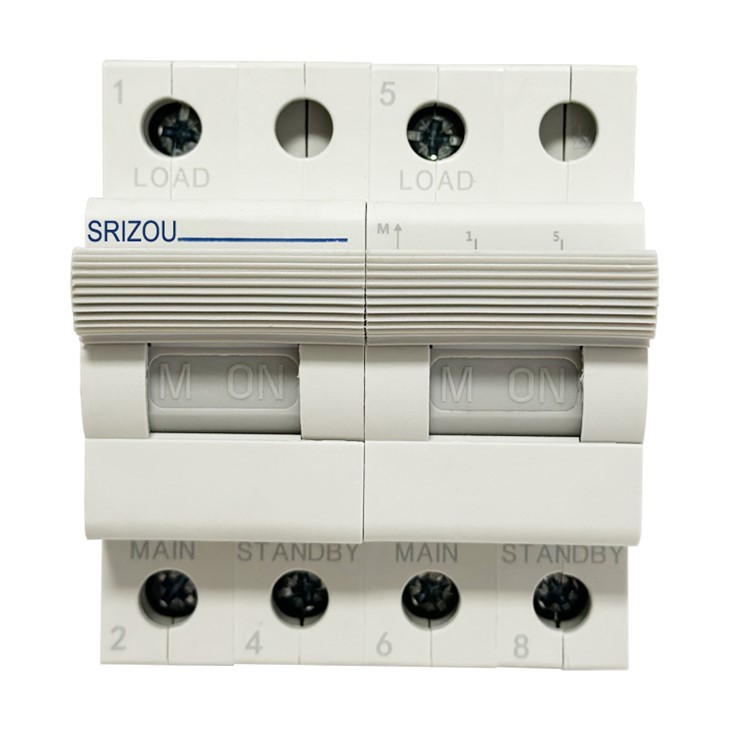
Din Rail Change Over Switch Slim
01.

Manual Change Over Switches

Manual switches, as their name indicates, need to be operated manually—usually by throwing a lever on the side of the transition switch. The lever moves a connector inside the switch enclosure from one position connecting to one power source, to another position connecting to the other power source. Manual switches are relatively simple, with no or few electronic parts liable to fail, and are cheaper than automated switches. Manual switches, however, are prohibited in certain safety-critical applications where it is necessary to quickly switch power sources whether a human is present or not.

02.

Automatic Change Over Switches

Automatic switches have the most sophisticated control mechanisms. They include a smart controller, which decides, independently of human intervention, when to activate the switch. An automatic switch may, for example, detect a power outage, automatically start up a standby generator, and make the switch to accept power from the generator. Then, when service is restored, the switch may automatically switch back and shut down the generator, all without any human intervention. The controller can be programmed by its owner to react automatically within preset parameters to any changes on the grid, or to any custom triggers.

2P 5


Benefits of Change Over Switch

Change over switches are essential components in backup power systems, providing seamless switching between power sources and ensuring uninterrupted power supply. Change over switches offer several benefits, including:


Reliable Power Supply

Change over switches increase the reliability of backup power systems by ensuring uninterrupted power supply. They are designed to switch power sources seamlessly, preventing downtime and data loss.


Seamless Transition

Whether manual or automatic, change over switches facilitate a smooth and swift transfer between power sources, ensuring continuous operation without interruption.


Protection of Equipment

By isolating power sources and providing surge protection, change over switches help safeguard sensitive equipment from voltage fluctuations, power surges, and electrical damage.


Flexibility and Versatility

Change over switches allow for the use of different power sources, providing flexibility in managing energy consumption and reducing reliance on a single source. Change over switches are available in various types to cater to different applications, providing versatility in power management.


Improved Efficiency

Change-over switches improve the efficiency of backup power systems by automatically switching between power sources. This eliminates the need for manual intervention, reducing the risk of human error and saving time.


Cost-Effective

Change over switches are cost-effective solutions for backup power systems. They require minimal maintenance and can last for years, providing a good return on investment.


Working Principle of Change Over Switch

Change over switches are essential components in backup power systems or applications where a reliable and uninterrupted electrical supply is critical. Understanding the basics of how these switches work can help ensure that power is seamlessly transferred between sources, minimizing downtime and ensuring the continuous operation of electrical systems. The fundamental working principle of a change over switch involves diverting the electrical load from one power source to another. Here's a brief overview of how a change over switch works.


Source Selection

In a manual change over switch, the user physically turns the switch to select the desired power source—either the main power supply or the backup generator. Automatic change over switches, on the other hand, rely on sensors to detect interruptions in the main power supply. Once a disruption is identified, the switch automatically transfers the load to the backup source.


Contact Mechanism

Change over switches consist of electrical contacts that make or break connections between the load and the power sources. The switch ensures that the load is connected to only one power source at a time, preventing a simultaneous connection that could lead to electrical hazards.


Seamless Transition

The changeover process aims for a seamless transition, minimizing downtime and disruptions to connected devices or systems. In automatic change over switches, the transition is swift, triggered by the sensors detecting voltage fluctuations or outages in the main power supply.


Components of Change Over Switch


Change over switches consist of several essential components that facilitate their operation. These components may vary depending on the type and complexity of the switch, but some common elements include:


Switching Mechanism
This mechanism enables the physical connection and disconnection of power sources. It can be a rotary switch, toggle switch, or other types of mechanisms, depending on the switch design.


Control Circuit
The control circuit is responsible for detecting power outages, generating signals, and managing the transfer process. It includes sensors, relays, timers, and microcontrollers to ensure accurate and timely switching.


Contactors
Contactors are heavy-duty switches that handle high currents. They are responsible for connecting and disconnecting the power sources.


Protection Devices
Change over switches may incorporate protection devices such as fuses, circuit breakers, or surge protectors to safeguard the electrical system from overloads, short circuits, or voltage surges.


Application of Change Over Switch


A change over switch is a device designed to transfer electrical loads between power sources, such as utility power and generator power. Change over switches find application in various settings, making them a versatile device in electrical power distribution. They can be integrated into the following environments:

Commercial Buildings
Businesses heavily rely on continuous power for their operations. Change over switches are used in commercial buildings to ensure uninterrupted power supply during power outages. They are typically used in conjunction with standby generators and are designed to switch power sources automatically.


Small Businesses
Even smaller establishments require backup power solutions to safeguard against power outages. Change over switches enable efficient power transfer, ensuring essential systems and equipment remain operational.


Data Centers
Change over switches are essential in data centers to ensure uninterrupted power supply, protecting critical servers and equipment from outages. They are designed to switch power sources automatically and are critical in maintaining uptime and preventing data loss.


Hospitals
Uninterrupted power is of utmost importance in medical facilities. Change over switches are used in hospitals to ensure uninterrupted power supply to critical systems, such as life support systems and emergency lighting. They are designed to switch power sources automatically and are essential in ensuring patient safety.


Residential
Change over switches enable homeowners to switch between the main power grid and alternative power sources during outages or for managing energy consumption.


Water Treatment Plants
Continuous power is crucial for water treatment plants to maintain essential operations. Change over switches ensure a seamless transition to backup power sources, preventing interruptions in the treatment process.


Telecommunication Facilities
Change over switches play a vital role in maintaining the continuous power supply to telecommunication equipment, ensuring uninterrupted communication services.


Factors to Consider When Choosing a Change Over Switch


Choosing the right change over switch is crucial for ensuring a reliable and efficient power transfer between the main power source and a backup generator. Here are some key considerations to keep in mind before making a decision:

Type of Change Over Switch
Automatic vs. Manual: Decide whether you want an automatic change over switch that detects power loss and switches to the generator automatically or a manual change over switch that requires manual intervention.


Load Capacity
Determine the total electrical load that you intend to connect to the generator. The change over switch should have sufficient capacity to handle the combined load of all connected appliances and devices.


Voltage Compatibility
Ensure that the change over switch is compatible with the voltage requirements of both the main power source and the generator. This includes considering whether it's a single-phase or three-phase system.


Installation and Wiring
Consider the ease of installation and the wiring requirements of the change over switch. Some models may require professional installation, while others are designed for easier DIY installation.


Enclosure Type
Choose an enclosure type based on the environment where the change over switch will be installed. Indoor and outdoor options are available, each with different levels of protection against weather conditions.


Compatibility with Generator
Check the compatibility of the change over switch with your specific generator model. Some change over switches are designed to work seamlessly with certain generators, ensuring a smooth integration.


Monitoring and Control Features
Look for additional features such as LED indicators, remote monitoring capabilities, and programmable settings. These features can enhance the convenience and functionality of the change over switch.


Safety Features
Ensure that the change over switch includes safety features such as overload protection, surge protection, and proper grounding to protect both the change over switch and connected appliances.


Certifications and Standards
Verify that the change over switch complies with relevant safety standards and certifications. This ensures that the product meets industry requirements for safety and performance.


Budget Considerations
Consider your budget constraints and compare the prices of different change over switches. Keep in mind that investing in a high-quality change over switch is essential for reliable backup power.


Maintenance Tips for Change Over Switch
 

A change over switch is an essential component of a backup power system that allows the transfer of electrical power from the utility to the backup generator during an outage. It plays a critical role in ensuring uninterrupted power supply to critical loads such as hospitals, data centers, and industrial facilities. However, like any other electrical equipment, a change over switch requires regular maintenance to ensure it operates optimally and reliably. Here are some effective ways to maintain a change over switch.

01/

Regular Visual Inspections
A change over switch should undergo regular visual inspections to identify any signs of damage, wear, or corrosion. A thorough inspection should involve checking the condition of the enclosure, the switch contacts, the wiring, and the controls. Any signs of loose connections, frayed wires, or corrosion should be addressed immediately to prevent further damage. It is also essential to ensure that the switch is free from dust, dirt, and debris that may affect its performance.

02/

Cleaning and Lubrication
Cleaning and lubrication are essential maintenance tasks that help to prevent dirt and debris from accumulating on the switch contacts and the moving parts. Accumulated dirt and debris can cause arcing and pitting of the switch contacts, which may lead to premature failure. Therefore, it is crucial to clean the switch contacts and the moving parts regularly using a soft cloth and a suitable cleaning agent. After cleaning, the switch contacts and the moving parts should be lubricated to reduce friction and wear.

03/

Testing and Exercising
Regular testing and exercising of the change over switch are necessary to ensure it operates correctly during an actual power outage. A change over switch should undergo monthly and annual testing to confirm its proper operation. During monthly testing, the switch is tested for its ability to transfer the load from the utility to the generator and back. Annual testing, on the other hand, involves testing the switch for its ability to withstand its rated load for a specified period. Testing and exercising the change over switch regularly also help to identify any issues that may require immediate attention.

04/

Upgrading and Replacing Components
Over time, the components of a change over switch may become outdated or may no longer function optimally. In such cases, upgrading or replacing the components may be necessary to ensure the change over switch operates reliably. Upgrading the change over switch components may involve replacing the switch contacts, the controls, or the wiring. Upgrading or replacing the components of a change over switch should be carried out by qualified technicians who understands the specifics of the system and has the necessary expertise to carry out the work safely.

05/

Record Keeping
Keeping accurate records of the maintenance activities carried out on the change over switch is essential. The records should include the dates of the maintenance activities, the details of the maintenance tasks carried out, and any issues that were identified and addressed. The records should also include the details of any repairs or replacements carried out on the change over switch. Accurate records help to track the history of the change over switch, identify any recurring issues, and plan for future maintenance activities.

06/

Hiring a Professional
Finally, it is always advisable to hire a professional to carry out the maintenance of a change over switch. A qualified technician understands the specifics of the change over switch and has the necessary expertise to carry out the maintenance tasks safely and effectively. Hiring a professional also ensures that any issues that are identified during the maintenance activities are addressed promptly and correctly, preventing further damage to the system.


How to Wire a Change Over Switch

A change over switch, also known as a transfer switch, is an electrical switch that allows for the manual or automatic switching between two power sources. Wring a change over switch correctly is of utmost importance for the safety, reliability, and efficiency of electrical systems. By following proper wiring guidelines and ensuring that the switch is installed correctly, you can prevent accidents, ensure reliable operation, and simplify maintenance and troubleshooting. It is always recommended to consult a qualified electrician or professional when wiring a change over switch to ensure compliance with electrical codes and regulations.

2P 5
2P 4
2P 3
Din Rail Change Over Switch Large

Understand the Purpose of a Change Over Switch
Before diving into the wiring process, it is important to understand why a change over switch is used. A change over switch allows for the manual or automatic switching between utility power and a backup power source, such as a generator. It ensures a seamless transition of power supply during power outages or other emergency situations.


Gather the Necessary Tools and Materials
To wire a change over switch, you will need some basic tools, including a screwdriver, wire cutters, and wire strippers. Additionally, you will need the change over switch itself, electrical wires, and appropriate connectors for connecting the wires.


Familiarize Yourself with the Switch’s Wiring Diagram
It is essential to refer to the wiring diagram provided with the change over switch. This diagram will show the various terminals and connections that need to be made. Understanding the diagram beforehand will ensure a smoother and more accurate wiring process.


Turn off the Power Supply
Before starting any electrical work, it is crucial to turn off the power supply to the area where the change over switch will be installed. This step is necessary to avoid any electrical hazards during the wiring process.


Connect the Incoming Power Source
Start by connecting the incoming power source, typically the utility power, to the appropriate terminals on the change over switch. This connection will usually involve stripping the insulation off the wires and securely connecting them to the designated terminals.


Connect the Backup Power Source
Next, connect the backup power source, such as a generator, to the corresponding terminals on the change over switch. Again, ensure that the wires are stripped and securely connected to the appropriate terminals.


Connect the Load
The load refers to the electrical devices or circuits that will receive power from the change over switch. Connect the load to the designated terminals on the switch, ensuring proper wire stripping and secure connections.


Double-Check and Test the Connections
Once all the connections are made, it is crucial to double-check the wiring and ensure that everything is properly connected. Test the switch by turning it on and off to verify that the power is being switched between the utility and backup sources correctly.


Reapply Power and Test the System
After confirming that the connections are correct, reapply power to the area and test the change over switch and its functionality. Monitor how the switch reacts when the utility power is interrupted, and ensure that the backup power source activates as intended.


Frequently Asked Questions


Q: How do I choose a change over switch?

A: The change over switch should match the electrical panel's main breaker. To ensure the system operates efficiently and safely, the size of your generator dictates the amperage required of your change over switch.

Q: Can I install a change over switch myself?

A: You'll find the difficulty of the installation depends on your skill level. However, installing a change over switch is typically a job for a licensed electrician because it requires knowledge of electrical wiring, electrical systems and the ability to follow instructions.

Q: How do change over switches work?

A: The change over switch shifts the load to the emergency power source when power from the generator or backup utility feed is stable and within prescribed voltage and frequency tolerances. Depending on a facility's needs and preferences, the transfer process is self-acting or manually-initiated.

Q: What is the purpose of a change over switch?

A: A change over switch is used during an outage. It is designed to transfer electricity from the commercial power grid to a local generator. Therefore, when the end user is experiencing a power cut, the generator from the change over switch will provide power.

Q: What are the advantages of change over switch?

A: Change over switches are energy efficient and easily available in the market. This helps in reducing the loss of power while using the switch. Which means less power consumption and more savings. You also don't need to buy fixing sets as it is a single pole and easy to use.

Q: How to size change over switch?

A: The surest method of sizing your switch is by matching it to your generator. Finding your generator's load will tell you how powerful your change over switch needs to be in order to perform effectively and safely.

Q: What is the capacity of a change over switch?

A: Change over switches for diesel generators are manufactured to meet continuous current ratings of 30-4000 amperes. Typically, the most commonly used ampere ratings include 30, 40, 70, 80, 100, 150, 225, 260, 400, 600, 800, 1000, 1200, 1600, 2000, 3000 and 4000 amperes.

Q: How long does it take to install a change over switch?

A: Installing a change over switch takes 2 to 4 hours on average for professional installation. An electrician installs an exterior power inlet box for the generator, an interior change over switch panel, and wires the desired circuits from the home's main panel to the change over switch panel.

Q: Is a change over switch required?

A: If your generator is above 5,000 watts, you will always need a change over switch for safety reasons and ease of use. This is important, as the level of power being produced requires the use of a regulator to help keep surges and backfeeding the grid from happening.

Q: What causes change over switch to fail?

A: Loose connections, corrosion, accumulation of dust, dirt and leaves. When a change over switch is not regularly maintained, it can build up dirt inside from dust, sand, or exposure to the elements. There may be loose connections or corrosion due to regular use, common to electrical devices.

Q: What is the importance of change over switches?

A: A change over switch in general seeks to simplify and provide safety when making use of a generator. The change over switch diverts power from your utility to your generator quickly and easily. In the case of a manual switch, this is done, of course, manually through a lever or similar device.

Q: Are change over switches safe?

A: Yes. It gets installed right next to your main electrical panel inside your house. The change over switch creates a safe connection between your generator and your home's electrical wiring.

Q: What generators need a change over witch?

A: Standby generators for homes and businesses almost always need one. Since they are always waiting for when the power goes down, it is important to have this extra piece of equipment to keep the power flowing without downtime.

Q: Where should a change over switch be located?

A: Change over switches are installed directly next to the electrical panel of your home. This allows the generator to connect to a single source instead of multiple appliances.

Q: How does a change over switch prevent backfeed?

A: A change over switch isolates selected circuits in your home from the power lines. This prevents backfeed, which occurs when your utility provider re-energizes the service entrance conductors that feed electricity to your homes main service panel.

Q: What is the useful life of a change over switch?

A: A change over switch can typically last 20 to 25 years however, this depends on the amount of usage the change over switch receives. With regular maintenance the change over switch can be expected to last up to 100,000 operations.

As one of the most professional change over switch manufacturers and suppliers in China, we're featured by quality products and competitive price. Please rest assured to buy change over switch in stock here and get quotation from our factory. Also, customized service is available.

Mc4 Panel Mount, Din Rail Indicator Light 9mm, Dc Fuse Holder RT18

Send Inquiry