null
 
KINO ELECTRICS CO. LTD:Your Professional Isolator Switch Manufacturer !
 

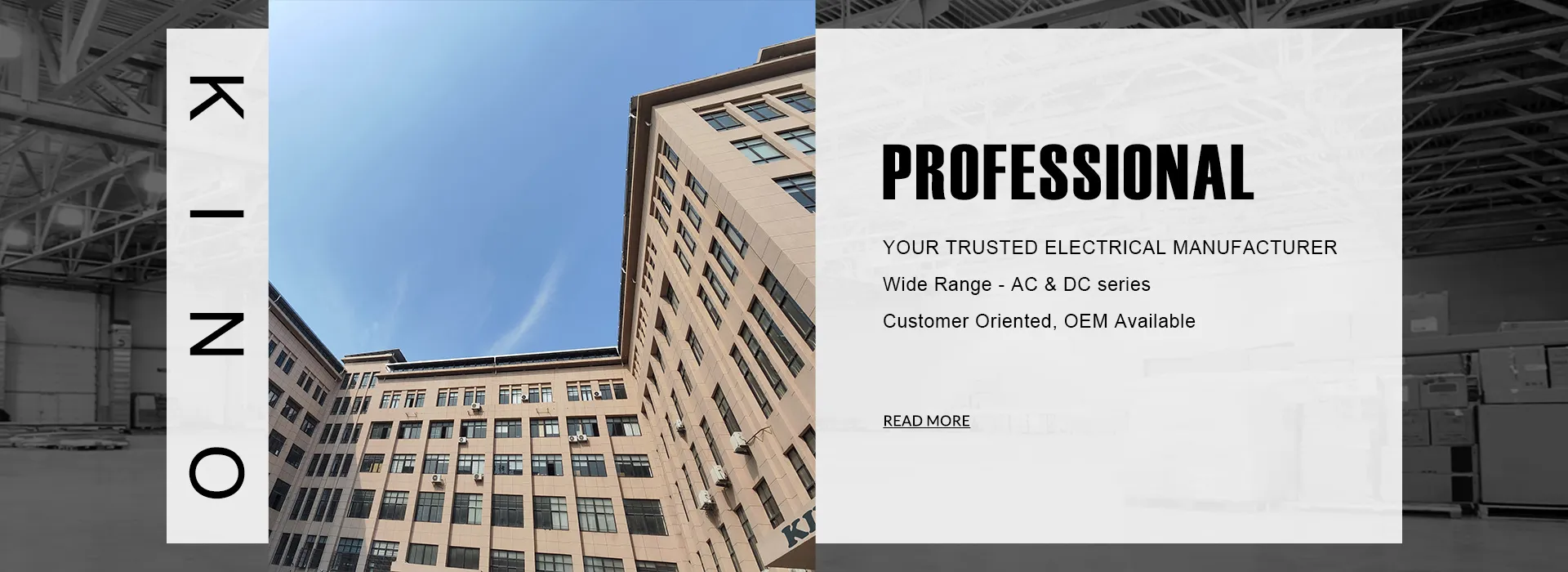
KINO was established in 2005 and is a professional manufacturer of low voltage electrical device. We are specialized in manufacturing the mini circuit breakers, molded case circuit breakers, ac contactors, over load relays, photovoltaic series breakers and other related electrical baskets of products. Our mission is to be a professional manufacturer for worldwide customers with high quality and best service.

Rich Products

Our company can produce mini circuit breakers, isolating switches, leakage circuit breakers, single-phase leakage circuit breakers, three-phase leakage circuit breakers, lightning arresters, molded case circuit breakers, distribution boxes, etc.

Advanced Equipment

We have 1600M² of work space and 5 production lines, as well as various assembly, calibration, packaging and other equipment.

Versatile Products

Our mini circuit breaker is an overcurrent protection device used in residential, commercial and industrial electrical systems; and the isolating switch is an important switching device in the power system. The isolating switch can be used in conjunction with other control equipment to realize the control of the power system.

Leading Service

We have many years of industry experience and a complete production management, quality supervision, sales service operation system. Whether you want to buy a mini circuit breaker or a molded case circuit breaker, just send your requirements via email and we can customize the product for you.

What is Isolator Switch?


An isolator switch, also often called a disconnector switch, is a type of electrical switch used to isolate an electrical circuit or equipment. It provides a physical barrier between the user and the live parts of the electrical system, thus protecting against electric shock. Isolator switches allow for easy switching off of an electrical circuit during maintenance or fault-finding operations, and are a commonly used safety device in industrial, commercial, and domestic applications.


Types of Isolator Switch
 

Different types of isolator switch devices are differentiated by various factors, such as the type of power source they support, number of poles, if they’re fused or not, and more. In view of that, here are the nine types of isolator switching devices available.

AC Isolator Switch
This type of isolator switch is used to break the current in AC circuits. It can often be found in homes and buildings that are connected to the power grid. An AC isolator switch should not be used in DC circuits since its design is only meant for AC. The AC isolator switch is also usually located between the meter and the consumer unit. Here, it provides a safe and convenient way to disconnect from the grid from the various circuits as needed.


DC Isolator Switch
This is a DC load isolator switch. What this means is that it works in direct current (DC) circuits, but serves the same purpose as the AC isolator switch. DC isolator switches are commonly found in solar power systems where they disconnect the solar array from the rest of the system. In this application, the DC isolator is mounted between near the solar panels or close to the solar inverter, but on the DC side.


Fused Isolator Switch
These types of isolator switch include a fuse or fuses in their boxes or enclosures. The isolator switch fuse serves as an additional layer of protection for the circuit, especially in applications that require extra protection due to overcurrents. In an event that the disconnected circuit still draws current, the fuse will disconnect it from the system, by blowing. A fused isolator switch is typically used in circuits that experience higher amounts of currents and surge.


Non-Fused Isolator Switch
This is an isolation switch that does not incorporate a fuse. Compared to the fused types, the non-fused isolator offers less protection. However, that does not make it less effective since their application is also different. Non-fused isolator switch types are designed to protect low power circuits from the power supply, typically those that experience lower fault current magnitudes. These are low-risk circuits such as those for lighting systems, – or if the circuits are adequately fused upstream.

1-Pole Isolator Switch
The 1-pole isolator switch is designed for single phase systems. It often comes as a non-fused version and with a rotary actuator, depending on the application requirements. The single pole isolator switch, as the 1- pole isolator is also called, is normally used in lower power circuits.


2-Pole Isolator Switch
The 2-pole isolator switch is used in a single phase electrical system. It has two poles to ensure the power supply of each phase can be isolated individually. This type of isolation switch offers more protection and safety than the single pole switch as it disconnects all phases simultaneously.


3-Pole Isolator Switch
The 3-pole isolator switch is designed for three phase AC systems and is the most common type of isolation switch used in those applications. In addition to being able to disconnect 3 circuits independently, this type also allows for the simultaneous disconnection of all three circuits, and is also often called a 3-phase isolator switch.


4-Pole Isolator Switch
A 4-pole isolator switch is similar to the 3-pole but with an additional dedicated pole for neutral. This fourth pole helps to ensure that the neutral wire is completely disconnected from the circuit when the switch is in the off position. This type of isolator switch is commonly used in commercial or industrial applications that require higher levels of safety and protection. Usually, it’s a fused isolator that will also offer protection against short-circuits and other faults via the fuse.


6-Pole Isolator Switch
These types of isolator switch are generally used for very high-current applications in three phase AC systems. Just like the 2, 3, and 4-pole isolator, the 6-pole isolator switch isolates electrical systems, but at a higher rating. These isolator types are, therefore, used in higher voltage and complex applications, such as those found in manufacturing plants and similar settings. The 6-pole isolator switch is will normally be available in fused versions.


Features of Isolator Switch

An isolator switch is a manually operated switch that allows for the complete disconnection of equipment or circuits from the power supply. It provides a visible break in the electrical circuit, ensuring no electrical energy flows to the isolated equipment. Here are several features of isolator switches.


Isolation

The primary feature of an isolating switch is to provide a means to isolate equipment or circuits from the power supply. This ensures the safety of personnel working on the equipment and allows for maintenance, repairs, or inspections to be carried out without the risk of electrical shock.


Visible Break

Isolating switches provide a visible break in the electrical circuit, allowing personnel to visually confirm that the equipment or circuit is disconnected from the power supply.


Switching Capability

Isolating switches have the capability to switch electrical loads on and off. This allows for convenient control of power to specific equipment or circuits.


Working Principle of Isolator Switch

The working principle of an isolator switch involves the use of a mechanical switch or mechanism to physically separate the electrical contacts, effectively breaking the electrical connection between the isolated circuit or equipment and the power source. The isolator switch has at least two sets of contacts, one on each side of the isolator.

Din Rail Change Over Switch Slim
01.

Contacts Connected

When the isolator switch is in the “on” or “closed” position, the contacts on both sides are electrically connected, allowing current to flow through the isolator switch and power the circuit or equipment. In this state, the isolator switch behaves like a regular switch, transmitting electrical energy.

02.

Contacts Separated

However, when the isolator switch is switched to the “off” or “open” position, the contacts on both sides are physically separated, creating a gap that prevents the flow of electrical current. This action isolates the circuit or equipment from the power source, ensuring that no electrical energy reaches it. It effectively breaks the electrical path, providing a safe working environment for maintenance or repair activities.

2P 5


Benefits of Isolator Switch


The application of isolator switches significantly contributes to the enhancement of safety in electrical systems. Their role in safeguarding against electrical hazards is paramount, particularly when dealing with high-powered equipment or complex circuits. Here are some benefits of isolator switches.


Safety
The primary benefit of using an isolator switch is the increased safety it provides. By isolating an electrical circuit, it ensures that maintenance or repair work must be carried out without the risk of electric shock.


Reliability
Isolator switches typically employ simple energy storage mechanisms for opening and closing operations. During design, they are often rated for the highest operating environment temperatures and consider altitude derating factors to ensure that all indicators still meet standard requirements under high temperatures and high altitudes and guarantee reliable operation in harsh conditions.


Cost-Effectiveness
Isolator switches offer significant cost advantages due to their simple structure compared to protection devices like circuit breakers with overload and short-circuit trip mechanisms. They are an economically practical electrical isolation solution.


Prevention of Electrical Accidents
Isolator switches help in preventing electrical accidents by completely cutting off the power supply to a particular section of the circuit, making it safe for inspection and maintenance tasks. Beyond personal safety, isolator switches play a vital role in the overall prevention of electrical accidents. Their ability to isolate a circuit segment is key in avoiding unintended electrical incidents.


Components of Isolator Switch


An isolatior switch is a switch with an isolator function.The isolator switch not only has the function of an isolator, it can carry normal operating current, and it can also carry short-circuit current within a certain period of time. A typical isolator switch is comprised of several integral components that work together to ensure seamless operation.

Isolator Blades
The isolator blades are the main components of the isolator switch that open or close the electrical circuit. The isolator blades are mounted on a rotating shaft and can be operated manually or by a motor.


Drive Mechanism
The drive mechanism is responsible for operating the isolator blades. It typically consists of a motor, gear system, and coupling arrangement. The motor provides the driving force, while the gear system converts the motor’s rotational motion to linear motion, which is used to open or close the isolator blades. The coupling arrangement connects the motor and gear system to the isolator blades and ensures proper synchronization of their movements.


Control Panel
The control panel houses the electrical components and control devices that are used to operate the motorized isolator switch. It typically includes motor starters, control switches, protective relays, and other electrical components. The control panel is used to start, stop, and control the motor that operates the isolator blades, and it may also include monitoring and signaling devices to indicate the status of the isolator switch.


Operating Mechanism
The operating mechanism is used to manually operate the motorized isolator switch in case of motor failure or emergency situations. It typically includes a manual crank or handle that can be used to manually rotate the isolator blades and open or close the circuit. The operating mechanism provides a backup method for operating the isolator switch when the motorized operation is not available.


Mounting Structure
The mounting structure provides mechanical support and stability for the motorized isolator switch. It typically includes a sturdy framework, base plates, and other structural components that are designed to withstand the mechanical stresses and environmental conditions in a substation. The mounting structure is designed to ensure proper alignment and positioning of the isolator blades for reliable operation.


Earth Switch
The earth switch is a part of the motorized isolator switch that is used for earthing or grounding of the electrical circuit. It typically consists of a separate blade or contact that is connected to the ground or earth. The earth switch can be operated manually or by motor, and it is used to provide a direct path for current to flow to the ground, ensuring that the electrical circuit is safely grounded during maintenance or repairs.


Interlocking Devices
Interlocking devices are safety features that are designed to prevent unsafe operations or conditions. They are typically integrated into the motorized isolator switch to ensure proper sequencing of operations and prevent incorrect or unsafe operations. Interlocking devices may include mechanical, electrical, or electronic devices that prevent the motorized isolator switch from being operated in an unsafe or incorrect manner.


Applications Of Isolator Switch

Isolator switch is a device that disconnects a part of an electrical circuit from the main supply. It allows for the isolation of electrical equipment, ensuring that there is no flow of electric current to that part, making it safe for maintenance or repair. Here are three main applications of isolator switches.


Electrical Installations

Isolating switches are widely used in electrical installations, such as residential, commercial, and industrial buildings. They are installed to isolate circuits or equipment during maintenance, repairs, or in emergency situations.


Machinery and Equipment

Isolating switches find applications in machinery and equipment, such as motors, pumps, HVAC systems, and lighting fixtures. They provide a safe and efficient means to isolate the power supply during servicing or troubleshooting.


Renewable Energy Systems

Isolating switches, such as solar or wind installations, are essential in renewable energy systems. They allow for the safe isolation of the energy source from the system for maintenance or in the event of an emergency.


Factors to Consider When Selecting an Isolator Switch


When it comes to selecting an isolator switch, there are several important factors that should be taken into consideration to ensure proper functionality and safety. Here are some key points to keep in mind.

Type of Isolator Switch
There are different types of isolator switches available, including manual isolator switches and automatic isolator switches. Manual isolator switches require manual operation to turn the switch on or off, while automatic isolator switches have built-in mechanisms that disconnect when certain conditions are met. Consider your specific needs and preferences before choosing the type of isolator switch that is right for you.


Kill Capacity
The kill capacity of the isolator switch refers to its ability to completely disconnect. It is important to choose a switch with a kill capacity that matches the power requirements. If the kill capacity is too low, it may not be able to effectively disconnect, while a switch with a higher kill capacity than necessary may be unnecessarily bulky and expensive.


Installation Requirements
Before purchasing a isolator switch, consider the installation requirements and compatibility. Some isolator switches may require specific wiring configurations or additional components for proper installation. Additionally, check if the switch can handle the voltage and current of your system.


Durability and Longevity
Opt for an isolator switch that is made from high-quality materials and designed to withstand harsh conditions. Look for switches that are corrosion-resistant, water-resistant, and have good thermal stability. This will ensure the longevity and reliability of the switch, even in demanding environments.


Safety Features
Consider any additional safety features that may be included with the isolator switch. Some switches may have built-in protection against reverse polarity, overcurrent, or short circuits. These safety features can provide protection for electrical system.


Maintenance of Isolator Switch

Isolator switches provide safe isolation of de-energized electrical circuits in power systems. Regular isolator switch inspection and maintenance helps ensure many years of reliable performance. Here are some practices for maintaining isolator switches.

Dual Pole Isolator Switch
Single Phase Isolator Switch
3 Pole Isolator Switch
1P

Regular Inspection
Regularly inspect isolator switches for any signs of physical damage, overheating, or discoloration. Check for loose connections and ensure that all parts are in good condition.


Clean Contacts
Dust, dirt, and contaminants can accumulate on the contact surfaces, leading to increased resistance and potential failure. Clean the contacts using a soft brush or compressed air.


Check for Wear
Inspect the contact surfaces for signs of wear, pitting, or erosion. If the contacts are significantly worn, consider replacing them.


Tighten Loose Connections
Ensure that all electrical connections are tight. Loose connections can lead to overheating and increased resistance.


Lubricate Moving Parts
If the isolator switch has moving parts, such as hinges or levers, lubricate them with an appropriate lubricant to reduce friction and wear.


Check Voltage and Current
Measure voltage and current during operation to ensure that they are within the specified limits. Abnormal values may indicate a problem in the electrical system.


Record Maintenance Activities
Keep a maintenance log that includes details of each inspection and any maintenance activities performed. This log can be valuable for tracking the isolator switch’s performance over time.


Follow Manufacturer’s Guidelines
Adhere to the manufacturer’s recommendations and guidelines for maintenance. This may include specific intervals for inspection, cleaning, and replacement of components.


Replace Worn or Damaged Parts
If any components show significant wear or damage, replace them promptly with parts recommended by the manufacturer.


Frequently Asked Questions


Q: What Is an isolator switch?

A: Isolator switch is a switch used to isolate a circuit. It is usually used to disconnect a circuit from a power supply. Isolator switches are used in a variety of applications, including home, corporate, and industrial environments. There are many different types of isolator switches available in a variety of sizes, shapes, and colors.

Q: What are the benefits of using an isolator switch?

A: There are many benefits to using isolator switches. First, it helps protect your device from voltage fluctuations. Second, it allows you to easily isolate the device from power, which is helpful when you need a repair or replacement. Third, it can help improve the safety of devices by preventing accidental electric shocks. Fourth, it can extend the service life of equipment by preventing power surge damage. Finally, it can help you save on energy bills by reducing the amount of power your device consumes.

Q: How does an isolator switch work?

A: An isolator switch works by interrupting the current in the circuit. This interruption prevents current from flowing through the circuit and prevents any accidents that might occur.

Q: How do I install an isolator switch?

A: Installing the isolator switch is a relatively simple process. First, you need to purchase a disconnector switch suitable for your home electrical system. Next, you need to install the switch in an accessible location. Finally, you need to connect the switch to the breaker panel.

Q: How do I know if my home is suitable for an isolator switch?

A: First, you need to have a good understanding of your home’s electrical system. This includes knowing where your breaker box is and how your home is wired. You should also familiarize yourself with the different types of circuits in your home. Second, you need to make sure there is enough space in the breaker box to accommodate the disconnector. Finally, you need to decide what type of disconnector you want. There are two main types: monolithic houses and sub-panels.

Q: Are there any dangers associated with using an isolator switch?

A: The isolator switch is a safety device used to isolate electrical circuits. It is usually used to prevent accidental electric shock. However, there are some dangers with isolator switches. On the one hand, if the switch is not installed correctly, it can be an electrical hazard. Also, if the switch is not used properly, it can cause the circuit to shut down unexpectedly, which can be dangerous.

Q: Can you use a circuit breaker as a type of isolator switch?

A: This is in theory possible yes, however you should always use an isolator switch when working on a circuit or piece of equipment. Circuit breakers can be operated when the load is still on, whereas an isolator switch cannot operate with a load.

Q: Why should you only operate an isolator switch when no crrent is flowing through?

A: Isolator switches have no internal methods to deal with arcing. This is why you should only operate the isolator switch when no current is flowing through.

Q: What are the different types of isolator switches?

A: The different types of isolator switches required will be dependent on what system or circuit the isolator switch is being fitted to and also factors such as environment, safety, and also human interaction. Some of the most common isolator switches that are used on electrical systems and machinery are AC isolator switches and Dc isolator switches.

Q: Where are isolator switches used?

A: Isolator switches are used on the majority of machinery and circuits you will come across. They provide a local source for the disconnection of a piece of equipment such as a motor or circuit from the main incoming supply.

Q: What are isolator switches made of?

A: Isolator switch bodies are made from plastic as they will normally be operated by hand when either turning the supply on or off to a circuit or piece of machinery. The path to allow supply through the terminals is made from a conductive piece of metal.

Q: Where does an isolator switch go?

A: An isolation switch (or isolator switch) is a piece of equipment that is installed on a metering supply to allow that supply to be de-energised after your meter. It normally sits inside your meter box and it sits after the meter but before the consumer unit.

Q: Does isolator work automatically?

A: The working principle of an electrical isolator is quite easy to comprehend as it works using different methods like semi-automatic, fully automatic and manually operated. Sometimes, operators use the isolators as switches for the circuits.

Q: What is the rating of an isolator switch?

A: Isolator switches are designed with maximum current ratings - i.e. the highest level of current at which they will operate safely. This can range from as little as six amps up to 200 amps, via mid-range models between 20A and 50A.

Q: What are the problems with isolator switches?

A: Inadequate electrical insulation, weak mechanical components, inadequate load-breaking capacity, and inadequate environmental protection can lead to isolator failures. These issues can result in electrical leakage, flashovers, damage to equipment, and substation failures.

As one of the most professional isolator switch manufacturers and suppliers in China, we're featured by quality products and competitive price. Please rest assured to buy isolator switch in stock here and get quotation from our factory. Also, customized service is available.

Mini Fuse Holder RT18, Moulded Case Circuit Breaker, Change Over Switch

Send Inquiry