

How to choose the right fuse for Dc Fuse Holder RT18?
Oct 24, 2025
Leave a message
When it comes to electrical safety and circuit protection, selecting the right fuse for your DC Fuse Holder RT18 is of utmost importance. As a supplier of DC Fuse Holder RT18, I understand the significance of this decision and the impact it can have on the overall performance and safety of your electrical systems. In this blog post, I will guide you through the process of choosing the right fuse for your DC Fuse Holder RT18, covering key factors to consider and providing practical tips to ensure you make an informed decision.
Understanding the Basics of Fuses and DC Fuse Holder RT18
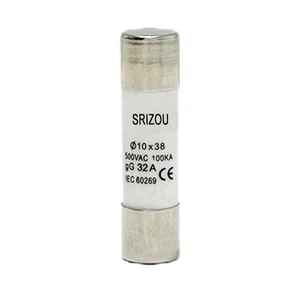
Before diving into the selection process, it's essential to have a basic understanding of fuses and the DC Fuse Holder RT18. A fuse is a safety device designed to protect an electrical circuit from excessive current. When the current flowing through the fuse exceeds its rated capacity, the fuse element melts, interrupting the circuit and preventing damage to the electrical components.
The DC Fuse Holder RT18 is a specific type of fuse holder designed to accommodate fuses in DC circuits. It provides a secure and reliable connection for the fuse, ensuring proper functioning and protection. The RT18 series is known for its compact design, high performance, and compatibility with a wide range of fuses.
Key Factors to Consider When Choosing a Fuse for DC Fuse Holder RT18
1. Voltage Rating
The voltage rating of a fuse is the maximum voltage that the fuse can safely handle without breaking down. It's crucial to select a fuse with a voltage rating that is equal to or higher than the maximum voltage of your DC circuit. Using a fuse with a lower voltage rating can result in arcing and premature failure, while using a fuse with a much higher voltage rating may not provide adequate protection.
2. Current Rating
The current rating of a fuse is the maximum current that the fuse can carry continuously without melting. This is one of the most critical factors to consider when choosing a fuse. You need to determine the normal operating current of your circuit and select a fuse with a current rating that is slightly higher than this value. However, it's important not to choose a fuse with a current rating that is too high, as it may not blow when there is an overcurrent condition, putting your electrical components at risk.
3. Fuse Type
There are different types of fuses available, each with its own characteristics and applications. The most common types of fuses used in DC circuits are fast-acting fuses and slow-blow fuses.
- Fast-acting fuses: These fuses are designed to blow quickly when there is an overcurrent condition. They are suitable for circuits that require immediate protection, such as electronic devices and sensitive components.
- Slow-blow fuses: Also known as time-delay fuses, these fuses can withstand temporary overcurrents for a short period without blowing. They are commonly used in circuits that experience inrush currents, such as motors and transformers.
4. Interrupting Rating
The interrupting rating of a fuse is the maximum current that the fuse can safely interrupt without causing an explosion or other dangerous conditions. It's important to select a fuse with an interrupting rating that is appropriate for your circuit. If the interrupting rating of the fuse is too low, it may not be able to handle a high short-circuit current, leading to a potentially hazardous situation.
5. Physical Size and Compatibility
The physical size of the fuse must be compatible with the DC Fuse Holder RT18. Make sure to check the dimensions of the fuse holder and select a fuse that fits properly. Additionally, consider the mounting style and terminal type of the fuse to ensure a secure and reliable connection.
Practical Tips for Choosing the Right Fuse
1. Consult the Manufacturer's Specifications
The manufacturer's specifications provide valuable information about the recommended fuse ratings and types for your DC Fuse Holder RT18. Refer to these specifications carefully to ensure you select the right fuse for your application.
2. Consider the Application Requirements
Think about the specific requirements of your application. For example, if you are using the DC Fuse Holder RT18 in a high-temperature environment, you may need to choose a fuse with a higher temperature rating. If your circuit experiences frequent power surges, a slow-blow fuse may be more suitable.
3. Seek Professional Advice
If you are unsure about which fuse to choose, don't hesitate to seek professional advice. You can consult an electrical engineer or a technical expert who can help you analyze your circuit requirements and recommend the most appropriate fuse.
4. Test and Validate
Before installing the fuse in your actual circuit, it's a good idea to test it in a controlled environment. This can help you verify that the fuse is functioning properly and providing the expected protection.
Recommended Fuses for DC Fuse Holder RT18
Based on the factors discussed above, here are some recommended fuses that are compatible with the DC Fuse Holder RT18:
- Blade Fuse Holder: Blade fuses are a popular choice for DC circuits due to their compact design and ease of installation. They are available in a variety of current ratings and are suitable for a wide range of applications.
- Fuse Link Blade: Fuse link blades are another type of fuse that is commonly used in DC circuits. They offer high interrupting ratings and are designed to provide reliable protection against overcurrents.
- Mini Fuse Holder RT18: The Mini Fuse Holder RT18 is specifically designed for use with mini fuses. It provides a compact and reliable solution for protecting small DC circuits.
Conclusion
Choosing the right fuse for your DC Fuse Holder RT18 is a critical decision that can have a significant impact on the safety and performance of your electrical systems. By considering the key factors discussed in this blog post, such as voltage rating, current rating, fuse type, interrupting rating, and physical size, you can make an informed decision and select a fuse that provides the necessary protection for your circuit.
As a supplier of DC Fuse Holder RT18, I am committed to providing high-quality products and expert advice to help you choose the right fuse for your application. If you have any questions or need further assistance, please feel free to contact us for more information and to discuss your procurement needs. We look forward to working with you to ensure the safety and reliability of your electrical systems.


References
- Electrical Safety Standards and Guidelines
- Fuse Manufacturer's Catalogs
- Circuit Design and Analysis Resources
Send Inquiry