

What are the thermal properties of a Change Over Switch?
Oct 16, 2025
Leave a message
Hey there! As a supplier of Change Over Switches, I often get asked about the thermal properties of these nifty devices. So, I thought I'd sit down and write this blog to share some insights.
First off, let's understand what a Change Over Switch is. It's a switch that can alternate between two power sources. This is super useful in situations where you need a backup power supply, like in a home during a power outage or in an industrial setting to switch between different electrical grids.
Now, onto the thermal properties. Thermal properties are crucial because they determine how well a switch can handle heat. Heat is generated in electrical components due to the flow of current. If a switch can't manage this heat properly, it can lead to all sorts of problems, like reduced lifespan, malfunction, or even safety hazards.
One of the key thermal properties of a Change Over Switch is its thermal resistance. Thermal resistance is a measure of how much a material resists the flow of heat. In the case of a switch, a low thermal resistance is desirable. This means that the heat generated inside the switch can be dissipated quickly to the surrounding environment. A switch with high thermal resistance will trap heat, causing its temperature to rise. And as the temperature goes up, the performance of the switch can degrade.
Another important property is the thermal conductivity. It's the opposite of thermal resistance. High thermal conductivity means that the switch can transfer heat more efficiently. Materials with good thermal conductivity, like copper and aluminum, are often used in the construction of Change Over Switches. These metals help in quickly conducting the heat away from the critical components of the switch.
The temperature rating of a Change Over Switch is also a vital thermal property. This rating indicates the maximum temperature at which the switch can operate safely. Exceeding this temperature can cause the insulation materials to break down, leading to short - circuits or other electrical failures. When selecting a switch, it's essential to consider the operating environment. If the switch is going to be used in a hot place, like an industrial furnace room or a sunny outdoor location, you'll need a switch with a high temperature rating.
Let's talk about how these thermal properties affect the performance of the switch. When a switch is operating, the current flowing through its contacts generates heat. If the thermal resistance is high and the thermal conductivity is low, the heat will build up at the contacts. This can cause the contacts to overheat and wear out faster. Over time, the overheating can lead to pitting and corrosion of the contacts, which can increase the contact resistance. As the contact resistance goes up, more heat is generated, creating a vicious cycle that can eventually lead to the failure of the switch.
On the other hand, a switch with good thermal properties can handle the heat effectively. The heat is dissipated quickly, and the contacts stay at a reasonable temperature. This ensures a longer lifespan of the switch and more reliable operation.
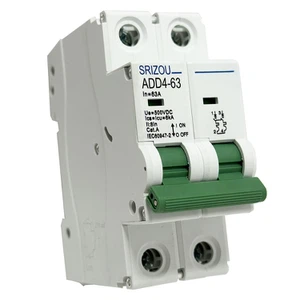
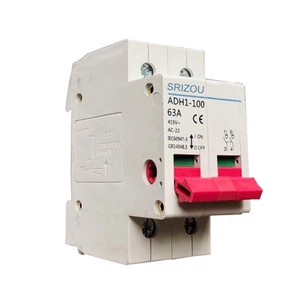
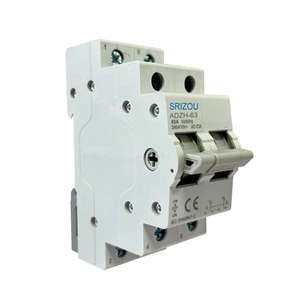
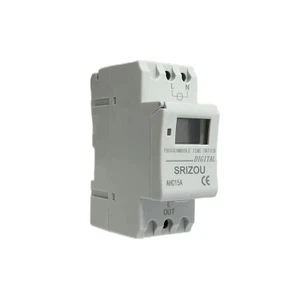
Now, let me tell you about some of the Change Over Switches we offer. We have the Din Rail Change Over Switch Large. This switch is designed for applications where you need a robust and reliable power switching solution. It's built with materials that have excellent thermal properties, so it can handle high currents without overheating. The large size also allows for better heat dissipation, making it suitable for heavy - duty industrial use.
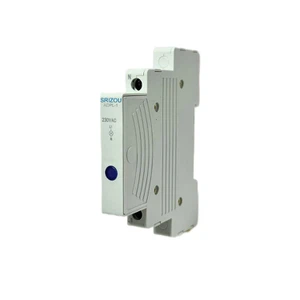
We also have the Din Rail Change Over Switch Slim. This switch is more compact, but don't let its size fool you. It's still engineered to have good thermal performance. Despite its slim design, it can efficiently dissipate heat, making it a great choice for applications where space is limited, like in control panels.
When it comes to the thermal management of our Change Over Switches, we use a combination of design features. For example, we use heat sinks in some of our switches. Heat sinks are devices that increase the surface area of the switch, allowing more heat to be radiated into the surrounding air. We also pay close attention to the layout of the internal components. By arranging the components in a way that promotes good airflow, we can enhance the natural convection of heat.
In addition to these design features, we conduct rigorous testing on our switches to ensure that they meet the required thermal standards. We test the switches under different load conditions and temperatures to simulate real - world operating scenarios. This helps us identify any potential thermal issues and make improvements to the design.
If you're in the market for a Change Over Switch, it's important to consider the thermal properties. A switch with good thermal performance will save you a lot of headaches in the long run. It will be more reliable, have a longer lifespan, and reduce the risk of electrical failures.
Whether you're a homeowner looking for a backup power solution or an industrial engineer in charge of a large electrical system, our Change Over Switches are designed to meet your needs. We're committed to providing high - quality products that offer excellent thermal performance.
If you're interested in learning more about our Change Over Switches or have any questions about their thermal properties, don't hesitate to reach out. We're here to help you make the right choice for your power switching needs. Contact us to start a discussion about your requirements and how our products can fit into your system.
References


- Electrical Engineering Handbook, CRC Press
- Principles of Electric Circuits, Pearson Education
Send Inquiry