

How to ensure proper ventilation for a distribution box?
Oct 20, 2025
Leave a message
Hey there! As a supplier of distribution boxes, I've seen firsthand how crucial proper ventilation is for these electrical components. A well-ventilated distribution box can prevent overheating, extend the lifespan of the equipment inside, and ensure the safety of your electrical system. In this blog post, I'm going to share some tips on how to ensure proper ventilation for a distribution box.
Why is Ventilation Important for Distribution Boxes?
Before we dive into the tips, let's quickly go over why ventilation is so important. Distribution boxes house various electrical components, such as circuit breakers, fuses, and switches. These components generate heat when they're in use, and if that heat isn't properly dissipated, it can lead to a number of problems.
Overheating can cause the electrical components to malfunction or even fail, which can result in power outages, equipment damage, or even electrical fires. Additionally, high temperatures can accelerate the aging process of the components, reducing their lifespan and increasing the likelihood of costly repairs or replacements.
Proper ventilation helps to keep the temperature inside the distribution box within a safe range by allowing hot air to escape and cool air to enter. This helps to prevent overheating and ensures the reliable operation of your electrical system.
Tips for Ensuring Proper Ventilation
Now that we understand why ventilation is important, let's take a look at some tips on how to ensure proper ventilation for a distribution box.
1. Choose the Right Location
The location of your distribution box can have a big impact on its ventilation. When choosing a location, look for an area that is well-ventilated and away from sources of heat, such as direct sunlight, heaters, or other electrical equipment. Avoid installing the distribution box in a confined space or against a wall, as this can restrict the flow of air.
Ideally, the distribution box should be installed in an area with good air circulation, such as near a window or an air vent. If possible, install the box on a wall that is at least 6 inches away from other objects to allow for proper airflow.
2. Use Ventilation Grilles or Louvers
Ventilation grilles or louvers are a simple and effective way to improve the ventilation of a distribution box. These devices allow hot air to escape from the box while preventing dust, dirt, and other debris from entering.
When choosing ventilation grilles or louvers, make sure they are the right size and shape for your distribution box. You can find a variety of ventilation grilles and louvers at your local hardware store or online. Install the grilles or louvers on the sides or top of the distribution box to allow for maximum airflow.
3. Install a Fan
If your distribution box is located in an area with poor ventilation or if it contains high-power electrical components that generate a lot of heat, you may want to consider installing a fan. A fan can help to circulate the air inside the box and improve its ventilation.
There are several types of fans available for distribution boxes, including axial fans, centrifugal fans, and blower fans. When choosing a fan, make sure it is the right size and capacity for your distribution box. You can also choose a fan with a built-in thermostat that will automatically turn on and off based on the temperature inside the box.
Install the fan on the side or top of the distribution box to allow for maximum airflow. Make sure the fan is properly secured and wired to avoid any electrical hazards.
4. Keep the Box Clean
Dust, dirt, and other debris can accumulate inside the distribution box over time, which can restrict the flow of air and reduce its ventilation. To ensure proper ventilation, it's important to keep the box clean and free of debris.
Regularly inspect the distribution box for any signs of dust or dirt buildup. Use a soft brush or a vacuum cleaner to remove any debris from the inside of the box. Make sure to clean the ventilation grilles or louvers as well to ensure they are not blocked.
5. Monitor the Temperature
Monitoring the temperature inside the distribution box is an important part of ensuring proper ventilation. You can use a temperature sensor or a thermometer to monitor the temperature inside the box.
If the temperature inside the box exceeds the recommended range, it may be a sign that the ventilation is not adequate. In this case, you may need to take additional steps to improve the ventilation, such as installing a fan or relocating the box to a more well-ventilated area.
Types of Distribution Boxes and Their Ventilation Requirements
There are several types of distribution boxes available on the market, each with its own ventilation requirements. Let's take a look at some of the most common types of distribution boxes and their ventilation needs.
1. Plastic Distribution Box
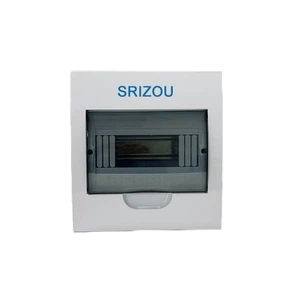
Plastic Distribution Box are lightweight, durable, and resistant to corrosion. They are commonly used in residential and commercial applications. Plastic distribution boxes typically have ventilation grilles or louvers built into the sides or top of the box to allow for proper airflow.
When installing a plastic distribution box, make sure the ventilation grilles or louvers are not blocked by any objects. You can also consider installing a fan to improve the ventilation if the box is located in an area with poor air circulation.


2. Waterproof Distribution Box
Waterproof Distribution Box are designed to protect electrical components from water and moisture. They are commonly used in outdoor applications or in areas where there is a risk of water damage. Waterproof distribution boxes typically have a tight seal to prevent water from entering the box, which can make it more difficult to achieve proper ventilation.
When installing a waterproof distribution box, make sure it is installed in an area with good air circulation. You can also consider installing a ventilation system that is specifically designed for waterproof distribution boxes. These systems typically use a combination of fans and vents to ensure proper airflow while still maintaining the waterproof integrity of the box.
Conclusion
Proper ventilation is essential for the safe and reliable operation of a distribution box. By following the tips outlined in this blog post, you can ensure that your distribution box is well-ventilated and protected from overheating.
If you're in the market for a distribution box or need help with ventilation solutions, don't hesitate to reach out. As a supplier, I have a wide range of distribution boxes available, including Plastic Distribution Box and Waterproof Distribution Box. I can also provide expert advice on the best ventilation options for your specific needs.
Contact me today to discuss your requirements and let's work together to ensure the proper ventilation of your distribution box.
References
- Electrical Safety Foundation International. (n.d.). Electrical Distribution Systems. Retrieved from https://www.esfi.org/electrical-safety-resources/electrical-distribution-systems
- National Fire Protection Association. (2017). National Electrical Code (NEC). Retrieved from https://www.nfpa.org/codes-and-standards/all-codes-and-standards/list-of-codes-and-standards/detail?code=70
Send Inquiry