

How to adjust the overload factor of an Over Load Relay?
May 21, 2025
Leave a message
Hey there! As a supplier of Over Load Relays, I often get asked about how to adjust the overload factor of an Over Load Relay. It's a crucial aspect that can significantly impact the performance and safety of electrical systems. So, let's dive right in and explore this topic in detail.
First off, let's understand what an Over Load Relay is. Simply put, it's a protective device that's designed to prevent electrical motors from getting damaged due to overcurrent. When the current flowing through a motor exceeds a certain limit for a specific period, the Over Load Relay kicks in and disconnects the motor from the power supply. This helps in avoiding overheating and potential burnout of the motor.
Now, the overload factor of an Over Load Relay refers to the multiple of the rated current at which the relay will trip. For example, if a relay has a rated current of 10 amps and an overload factor of 1.5, it will trip when the current reaches 15 amps. Adjusting this factor correctly is essential to ensure that the relay provides adequate protection without causing unnecessary tripping.


Why Adjust the Overload Factor?
There are several reasons why you might need to adjust the overload factor of an Over Load Relay. One common reason is when you're using a motor with a different rated current than the one the relay was originally set for. For instance, if you replace an old motor with a new one that has a higher or lower rated current, you'll need to adjust the overload factor accordingly to ensure proper protection.
Another reason could be changes in the operating conditions of the motor. If the motor is being used in a more demanding environment, such as a high-temperature or high-humidity area, the overload factor may need to be adjusted to account for the increased stress on the motor.
How to Adjust the Overload Factor
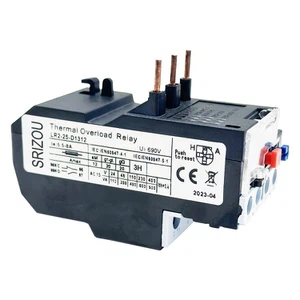
The process of adjusting the overload factor of an Over Load Relay can vary depending on the type of relay you're using. Here, I'll walk you through the general steps for a typical thermal Over Load Relay, like the Thermal Over LOad Relay LR2.
Step 1: Determine the Motor's Rated Current
The first step is to find out the rated current of the motor that the relay will be protecting. This information is usually provided on the motor's nameplate. Make sure to note down the exact value as it will be crucial for setting the correct overload factor.
Step 2: Refer to the Relay's Manual
Every Over Load Relay comes with a user manual that provides detailed instructions on how to adjust the overload factor. It's important to read this manual carefully before making any adjustments. The manual will also provide information on the range of adjustable overload factors for the specific relay model.
Step 3: Locate the Adjustment Dial or Screw
Most thermal Over Load Relays have an adjustment dial or screw that allows you to set the overload factor. This is usually located on the front or side of the relay. Use a small screwdriver or the appropriate tool to turn the dial or adjust the screw.
Step 4: Set the Overload Factor
Based on the motor's rated current and the recommended overload factor from the manual, set the adjustment dial or screw to the desired value. Make sure to set it accurately, as even a small error can affect the relay's performance.
Step 5: Test the Relay
After setting the overload factor, it's important to test the relay to ensure that it's working correctly. You can do this by simulating an overcurrent condition and checking if the relay trips at the expected current level. If the relay doesn't trip or trips too early or too late, you may need to readjust the overload factor.
Tips for Adjusting the Overload Factor
- Be Precise: As mentioned earlier, even a small error in setting the overload factor can have a significant impact on the relay's performance. So, make sure to use a reliable measuring tool and take your time to set the factor accurately.
- Consider the Environment: The operating environment of the motor can affect its performance and the amount of current it draws. If the motor is exposed to high temperatures, humidity, or other harsh conditions, you may need to adjust the overload factor accordingly.
- Regularly Check and Maintain: Over time, the performance of the relay and the motor may change due to wear and tear. It's important to regularly check the overload factor and make any necessary adjustments to ensure continued protection.
Conclusion
Adjusting the overload factor of an Over Load Relay is a critical task that requires careful consideration and precision. By following the steps outlined above and taking into account the specific requirements of your motor and operating environment, you can ensure that the relay provides reliable protection against overcurrent.
If you're in the market for a high-quality Over Load Relay or need further assistance with adjusting the overload factor, don't hesitate to reach out. We're here to help you find the right solution for your electrical system. Whether you're a small business owner or a large industrial facility, we have the expertise and products to meet your needs.
So, what are you waiting for? Contact us today to start the conversation and let's work together to ensure the safety and efficiency of your electrical systems.
References
- Electrical Equipment Handbook
- Motor Protection Guide
Send Inquiry