

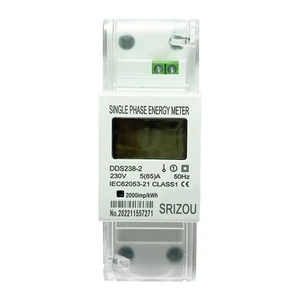
How does voltage fluctuation affect a Kwh Meter?
Aug 28, 2025
Leave a message
Voltage fluctuation is a common issue in electrical power systems that can have significant implications for various electrical devices, including kilowatt-hour (kWh) meters. As a reputable kWh meter supplier, we understand the importance of providing accurate and reliable metering solutions to our customers. In this blog post, we will explore how voltage fluctuation affects a kWh meter and why it matters in the context of energy measurement and management.
Understanding Voltage Fluctuation
Voltage fluctuation refers to the variation in the voltage level of an electrical power supply over time. These fluctuations can be caused by a variety of factors, including changes in load demand, faults in the power grid, and the operation of large electrical equipment. Voltage fluctuations can occur in both single-phase and three-phase power systems and can range from minor variations to significant drops or surges.
How Voltage Fluctuation Affects a kWh Meter
A kWh meter is designed to measure the amount of electrical energy consumed over a period of time. It does this by measuring the voltage and current flowing through the electrical circuit and calculating the product of these two values over time. The accuracy of a kWh meter depends on its ability to measure voltage and current accurately and consistently.


1. Impact on Measurement Accuracy
Voltage fluctuation can have a direct impact on the accuracy of a kWh meter. Most kWh meters are calibrated to operate within a specific voltage range. When the voltage deviates from this range, the meter may not measure the electrical energy consumption accurately. For example, if the voltage is lower than the calibrated value, the meter may under - measure the energy consumption, resulting in the customer being billed for less energy than they actually consumed. Conversely, if the voltage is higher than the calibrated value, the meter may over - measure the energy consumption, leading to the customer being billed for more energy than they used.
2. Effect on Meter Components
Voltage fluctuations can also affect the internal components of a kWh meter. High - voltage surges can cause damage to the meter's electronic circuits, such as the voltage and current sensors, microcontrollers, and communication modules. This damage can lead to inaccurate measurements, meter malfunctions, or even complete failure of the meter. On the other hand, low - voltage conditions can cause the meter to operate erratically or not at all, as the components may not receive sufficient power to function properly.
3. Impact on Meter Life
Continuous exposure to voltage fluctuations can shorten the lifespan of a kWh meter. The stress caused by voltage surges and drops can lead to premature aging of the meter's components, increasing the likelihood of failures over time. This can result in higher maintenance and replacement costs for both the meter supplier and the end - user.
Types of kWh Meters and Their Susceptibility to Voltage Fluctuation
There are different types of kWh meters available in the market, each with its own level of susceptibility to voltage fluctuation.
Single - Phase kWh Meters
Single - phase kWh meters are commonly used in residential and small commercial applications. These meters are typically designed to operate within a relatively narrow voltage range. Voltage fluctuations in single - phase systems can have a more pronounced effect on these meters, as they are more sensitive to changes in voltage. You can learn more about Kwh Meter Single Phase on our website.
Three - Phase kWh Meters
Three - phase kWh meters are used in larger commercial and industrial applications. These meters are generally more robust and can tolerate a wider range of voltage fluctuations compared to single - phase meters. However, severe voltage fluctuations can still affect their accuracy and performance. To explore our Three Phase Kwh Meter offerings, visit our website.
Smart kWh Meters
Smart kWh meters are the latest generation of energy meters that offer advanced features such as remote monitoring, two - way communication, and real - time energy data analysis. These meters are equipped with sophisticated electronics and software that can compensate for some degree of voltage fluctuation. However, they are still vulnerable to extreme voltage variations. Check out our Smart Kwh Meter solutions for more information.
Mitigating the Effects of Voltage Fluctuation on kWh Meters
As a kWh meter supplier, we take several measures to mitigate the effects of voltage fluctuation on our meters.
Advanced Meter Design
We use advanced design techniques and high - quality components in our kWh meters to improve their resistance to voltage fluctuations. Our meters are designed to operate within a wide voltage range and are equipped with protective circuits to prevent damage from voltage surges.
Calibration and Testing
All our kWh meters undergo rigorous calibration and testing procedures to ensure their accuracy and reliability under different voltage conditions. We simulate various voltage scenarios during the testing process to verify that the meters perform within the specified accuracy limits.
Monitoring and Maintenance
We also offer monitoring and maintenance services to our customers to ensure that their kWh meters are operating properly. Our technicians can regularly check the meters for any signs of damage or malfunction caused by voltage fluctuations and take appropriate measures to address the issues.
Importance of Accurate Energy Measurement
Accurate energy measurement is crucial for both the electricity provider and the end - user. For electricity providers, accurate metering ensures that they can bill their customers correctly and manage their power generation and distribution systems efficiently. For end - users, accurate energy measurement helps them to monitor their energy consumption, identify energy - saving opportunities, and control their energy costs.
Conclusion
Voltage fluctuation is a significant factor that can affect the accuracy, performance, and lifespan of a kWh meter. As a kWh meter supplier, we are committed to providing our customers with high - quality meters that can withstand voltage fluctuations and provide accurate energy measurement. Our range of Single - Phase, Three - Phase, and Smart kWh meters are designed to meet the diverse needs of our customers in different applications.
If you are interested in our kWh meter products or have any questions about how voltage fluctuation affects energy measurement, we encourage you to contact us for further discussion and potential procurement. Our team of experts is ready to assist you in finding the best metering solutions for your specific requirements.
References
- IEEE Standard for Electricity Metering, IEEE Std 1226 - 2013.
- IEC 62053 - 21:2018, Electricity metering equipment (a.c.) - Particular requirements - Part 21: Static meters for active energy (class 0.2S, 0.5S, 1 and 2).
- Power System Analysis and Design, J. Duncan Glover, Mulukutla S. Sarma, and Thomas J. Overbye.
Send Inquiry