

How do Mc4 Connectors compare to other types of connectors?
Aug 27, 2025
Leave a message
In the dynamic realm of solar energy systems, connectors play a pivotal role in ensuring seamless and efficient operation. Among the numerous connector types available in the market, MC4 connectors have emerged as a dominant force, revolutionizing the way solar panels are interconnected. As a leading supplier of MC4 connectors, I am excited to delve into a comprehensive comparison between MC4 connectors and other types of connectors, highlighting the unique features, advantages, and applications of each.
Understanding MC4 Connectors
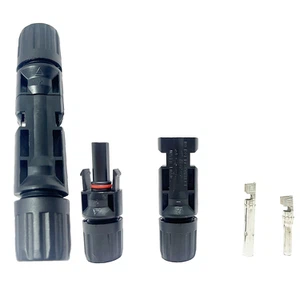
MC4 connectors, short for Multi-Contact 4, are a standardized type of electrical connector widely used in photovoltaic (PV) systems. These connectors are designed to provide a reliable and weatherproof connection between solar panels, inverters, charge controllers, and other components in a solar energy system. The MC4 connector system consists of male and female connectors that can be easily plugged together, creating a secure and low-resistance electrical connection.
One of the key features of MC4 connectors is their snap-lock mechanism, which ensures a tight and secure connection between the male and female connectors. This mechanism prevents accidental disconnection due to vibration, wind, or other environmental factors, ensuring the long-term reliability of the solar energy system. Additionally, MC4 connectors are designed to be compatible with a wide range of wire sizes, making them versatile and suitable for various PV applications.
Advantages of MC4 Connectors
1. High Efficiency
MC4 connectors are engineered to minimize power losses due to resistance, ensuring maximum energy transfer between solar panels and other components in the PV system. The low-resistance contact design of MC4 connectors reduces heat generation, which not only improves the overall efficiency of the system but also extends the lifespan of the connectors and other components.
2. Weatherproof and Durable
Solar energy systems are often exposed to harsh environmental conditions, including extreme temperatures, humidity, and UV radiation. MC4 connectors are designed to withstand these conditions, thanks to their robust construction and high-quality materials. The connectors are made of high-grade plastic and metal components that are resistant to corrosion, oxidation, and UV degradation, ensuring long-term performance and reliability in outdoor applications.
3. Easy Installation
One of the main advantages of MC4 connectors is their ease of installation. The snap-lock mechanism allows for quick and easy connection and disconnection of the male and female connectors, eliminating the need for special tools or complex wiring procedures. This makes MC4 connectors ideal for both professional installers and DIY enthusiasts, reducing installation time and labor costs.
4. Compatibility
MC4 connectors are a standardized connector type, which means they are compatible with a wide range of solar panels, inverters, charge controllers, and other PV components from different manufacturers. This compatibility ensures that MC4 connectors can be easily integrated into existing solar energy systems or used in new installations, providing flexibility and convenience for system designers and installers.
Comparison with Other Connector Types
1. MC4 Connectors vs. Traditional Wire Nuts
Traditional wire nuts are a common method of connecting electrical wires in residential and commercial applications. While wire nuts are inexpensive and easy to use, they are not suitable for solar energy systems due to their lack of weatherproofing and reliability. Wire nuts are prone to loosening over time, especially in outdoor environments, which can lead to electrical arcing, power losses, and safety hazards. In contrast, MC4 connectors provide a secure and weatherproof connection that is designed to last for the lifetime of the solar energy system.
2. MC4 Connectors vs. Twist-on Connectors
Twist-on connectors, also known as wire connectors or wire terminals, are another type of electrical connector commonly used in electrical installations. Similar to wire nuts, twist-on connectors are not weatherproof and are not designed for use in solar energy systems. Twist-on connectors rely on a mechanical connection between the wires, which can be affected by vibration, temperature changes, and other environmental factors. MC4 connectors, on the other hand, use a snap-lock mechanism to provide a secure and reliable connection that is resistant to environmental factors.


3. MC4 Connectors vs. Bullet Connectors
Bullet connectors are a type of electrical connector commonly used in automotive and electronic applications. While bullet connectors are easy to install and provide a relatively secure connection, they are not suitable for solar energy systems due to their low current-carrying capacity and lack of weatherproofing. Bullet connectors are typically designed for low-voltage applications and are not rated for the high currents and voltages found in PV systems. MC4 connectors, on the other hand, are specifically designed for use in solar energy systems and are rated for high current and voltage applications.
4. MC4 Connectors vs. Anderson PowerPole Connectors
Anderson PowerPole connectors are a type of electrical connector commonly used in battery-powered applications, such as electric vehicles, boats, and RVs. While Anderson PowerPole connectors are known for their high current-carrying capacity and ease of use, they are not designed for use in solar energy systems. Anderson PowerPole connectors are not weatherproof and are not compatible with the standardized wiring used in PV systems. MC4 connectors, on the other hand, are specifically designed for use in solar energy systems and are compatible with a wide range of PV components.
Applications of MC4 Connectors
MC4 connectors are widely used in various PV applications, including residential, commercial, and utility-scale solar energy systems. Some of the common applications of MC4 connectors include:
1. Solar Panel Interconnection
MC4 connectors are used to connect solar panels in series or parallel to form a solar array. The connectors provide a secure and reliable connection between the panels, ensuring maximum energy transfer and system efficiency.
2. Inverter Connection
MC4 connectors are used to connect the solar array to the inverter, which converts the DC power generated by the solar panels into AC power for use in the electrical grid or in off-grid applications. The connectors ensure a low-resistance connection between the solar array and the inverter, minimizing power losses and improving system performance.
3. Charge Controller Connection
MC4 connectors are used to connect the solar array to the charge controller, which regulates the charging of the batteries in off-grid solar energy systems. The connectors provide a secure and reliable connection between the solar array and the charge controller, ensuring proper charging of the batteries and preventing overcharging.
4. Branch Connection
In some PV systems, MC4 branch connectors are used to connect multiple solar panels or other components in a branching configuration. The Mc4 Branch Connector allows for the easy expansion of the solar energy system and provides flexibility in system design.
Conclusion
In conclusion, MC4 connectors offer numerous advantages over other types of connectors in solar energy systems. Their high efficiency, weatherproof and durable construction, easy installation, and compatibility make them the preferred choice for PV applications. Whether you are a professional installer or a DIY enthusiast, MC4 connectors provide a reliable and cost-effective solution for connecting solar panels, inverters, charge controllers, and other components in your solar energy system.
If you are interested in learning more about our Mc4 Panel Mount or Mc4 Connectors for Solar Panels Male and Female, or if you have any questions about our products, please feel free to contact us for more information and to discuss your specific requirements. We are committed to providing high-quality MC4 connectors and excellent customer service to meet your solar energy needs.
References
- "Photovoltaic Connector Systems: A Guide to Understanding and Selecting the Right Connectors." Solar Power World, 2023.
- "MC4 Connectors: The Standard for Solar PV Systems." Renewable Energy World, 2023.
- "Comparing Different Types of Electrical Connectors for Solar Energy Systems." Energy.gov, 2023.
Send Inquiry