

What causes a Change Over Switch to fail?
Sep 09, 2025
Leave a message
A change over switch, also known as an automatic transfer switch (ATS), is a crucial device in electrical systems. It plays a vital role in ensuring continuous power supply by switching between the main power source and an alternate source, such as a generator, during power outages. As a supplier of change over switches, I've encountered various situations where these switches fail. Understanding the causes of such failures is essential for both preventing them and ensuring the reliable operation of electrical systems. In this blog post, I'll explore the common factors that can lead to a change over switch failure.
1. Electrical Overloads
One of the most prevalent causes of change over switch failure is electrical overload. When the electrical load exceeds the rated capacity of the switch, it can cause excessive heat generation. Over time, this heat can damage the internal components of the switch, such as the contacts and the insulation.
The contacts in a change over switch are designed to carry a specific amount of current. If the current flowing through them is too high, the contacts can overheat and melt. This not only disrupts the normal operation of the switch but can also lead to short - circuits and other electrical hazards. For example, in a commercial building where there is a sudden increase in power demand due to the addition of new equipment, the change over switch may be forced to handle more current than it is rated for.
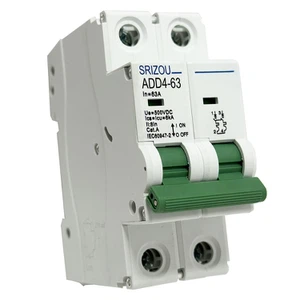
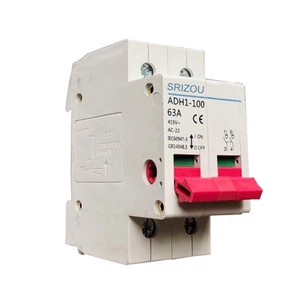
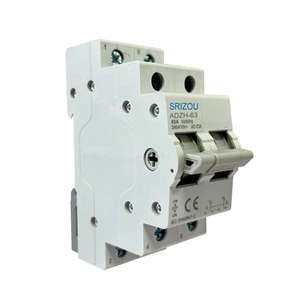
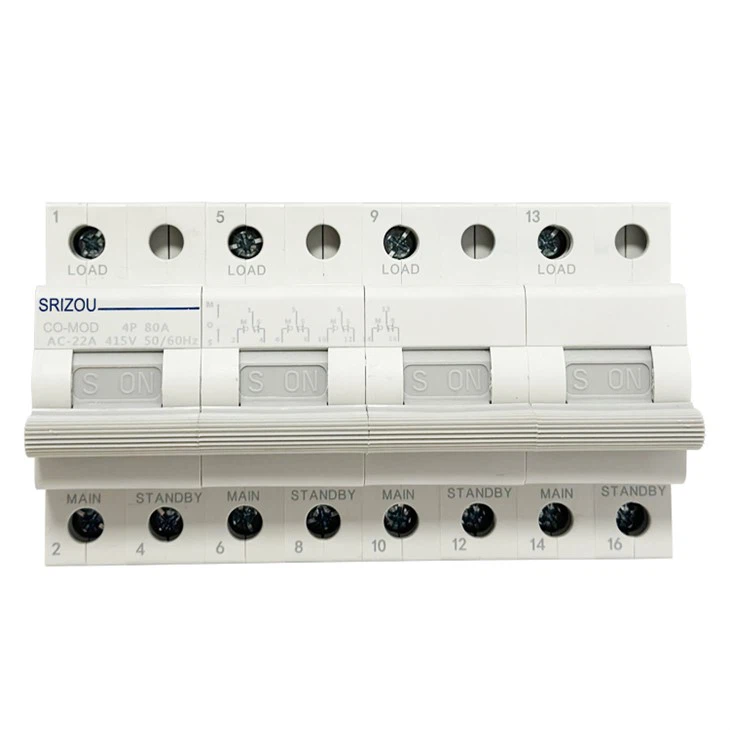
Insulation materials in the switch are also affected by excessive heat. High temperatures can cause the insulation to degrade, reducing its effectiveness in preventing electrical leakage. This can lead to electrical arcing and further damage to the switch. To prevent electrical overload failures, it's crucial to accurately calculate the electrical load requirements and select a change over switch with an appropriate rating. Our Din Rail Change Over Switch Large is designed to handle higher electrical loads, making it a suitable choice for applications with significant power demands.
2. Mechanical Wear and Tear
Change over switches rely on mechanical components to function properly. These components, such as the moving contacts, springs, and linkages, are subject to wear and tear over time. Every time the switch operates, these parts experience friction and stress, which can gradually degrade their performance.
The moving contacts are particularly vulnerable to mechanical wear. As they open and close, the contact surfaces can become pitted and worn. This can lead to increased contact resistance, which in turn generates more heat and further accelerates the wear process. Springs in the switch are used to provide the necessary force for the contacts to close and open. Over time, these springs can lose their elasticity, resulting in improper contact operation.
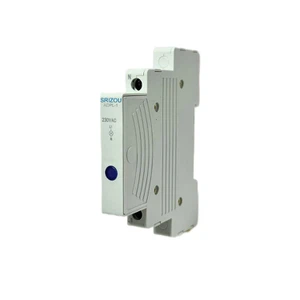
Linkages and other mechanical parts can also loosen or break due to repeated movement. This can cause misalignment of the contacts, leading to incomplete switching or even electrical shorts. Regular maintenance, including lubrication of moving parts and inspection of mechanical components, can help extend the lifespan of the change over switch. Our Din Rail Change Over Switch Slim is designed with high - quality mechanical components to minimize wear and tear, but proper maintenance is still essential.
3. Environmental Factors
The environment in which a change over switch is installed can have a significant impact on its performance and lifespan. Harsh environmental conditions can accelerate the degradation of the switch's components.
Moisture and Humidity
Moisture is a major enemy of electrical equipment. When moisture enters the change over switch, it can cause corrosion of the metal components. Corrosion can increase the resistance of the contacts, leading to poor electrical conductivity and overheating. In addition, moisture can also cause short - circuits if it bridges the gaps between conductive parts. Areas with high humidity, such as coastal regions or basements, are particularly prone to this problem.
Dust and Dirt
Dust and dirt can accumulate inside the switch, interfering with the proper operation of the mechanical and electrical components. Dust can clog the moving parts, preventing them from moving freely. It can also settle on the contacts, increasing the contact resistance. In industrial environments where there is a lot of dust, such as manufacturing plants or mines, this can be a significant issue.
Temperature Extremes
Both high and low temperatures can affect the performance of a change over switch. High temperatures can cause the components to expand, which can lead to misalignment and increased stress on the parts. Low temperatures, on the other hand, can make the materials brittle, increasing the risk of cracking and breakage. In outdoor applications, where the switch is exposed to the elements, temperature fluctuations can be a major challenge.
To mitigate the effects of environmental factors, it's important to install the change over switch in a suitable enclosure. Enclosures can protect the switch from moisture, dust, and temperature extremes. Additionally, regular cleaning and inspection of the switch can help remove any accumulated dirt or debris.
4. Faulty Installation
Improper installation is another common cause of change over switch failure. If the switch is not installed correctly, it can lead to a variety of problems, including electrical shorts, mechanical stress, and improper operation.
One of the most critical aspects of installation is proper wiring. Incorrect wiring can cause the switch to malfunction or even pose a safety hazard. For example, if the wires are not connected securely, it can lead to loose connections, which can generate heat and cause a fire. It's also important to ensure that the wiring is of the correct gauge to handle the electrical load.
Mechanical installation is also crucial. The switch must be mounted securely to prevent vibration and movement, which can cause damage to the internal components. If the switch is not level or is installed in a location where it is subject to excessive mechanical stress, it can lead to premature failure.
To ensure proper installation, it's recommended to have a qualified electrician install the change over switch. Our company provides detailed installation instructions with every switch, and we also offer technical support to assist with the installation process.
5. Control System Malfunctions
Many modern change over switches are equipped with control systems that monitor the power sources and trigger the switching operation. These control systems can malfunction due to various reasons, such as software bugs, sensor failures, or power supply issues.
Software bugs in the control system can cause the switch to operate incorrectly. For example, the switch may not switch to the alternate power source when needed or may switch back to the main source prematurely. Sensor failures can also lead to inaccurate monitoring of the power sources. If the sensors are not functioning properly, the control system may not receive the correct information, resulting in improper switching.
Power supply issues to the control system can also cause problems. If the control system does not receive a stable power supply, it can malfunction. This can be due to issues such as voltage fluctuations or power outages in the control circuit.
Regular testing and maintenance of the control system are essential to ensure its proper operation. Our change over switches are designed with reliable control systems, but it's still important to perform periodic checks to detect and address any potential issues.
Conclusion
In conclusion, there are several factors that can cause a change over switch to fail, including electrical overloads, mechanical wear and tear, environmental factors, faulty installation, and control system malfunctions. As a supplier of change over switches, we understand the importance of providing high - quality products and ensuring that our customers are aware of these potential issues.
By selecting the right switch for the application, performing regular maintenance, and ensuring proper installation, many of these failures can be prevented. Our Din Rail Change Over Switch Large and Din Rail Change Over Switch Slim are designed to meet the diverse needs of our customers, with features that enhance reliability and durability.

If you're in the market for a change over switch or have any questions about our products, we encourage you to contact us for a detailed discussion. Our team of experts is ready to assist you in selecting the right switch for your specific requirements and to provide you with the support you need for a successful installation and operation.
References
- Electrical Safety Foundation International. (n.d.). Electrical Overload Hazards.
- IEEE Standards Association. (n.d.). Standards for Electrical Equipment Installation and Maintenance.
- National Fire Protection Association. (n.d.). Electrical Wiring and Equipment Codes.
Send Inquiry