

What are the common faults of an Isolator Switch?
Jul 08, 2025
Leave a message
Hey there! As a supplier of isolator switches, I've seen my fair share of issues with these crucial electrical components. Isolator switches are used to isolate a circuit from the power source, providing a safe way to perform maintenance or repairs. But like any piece of equipment, they can develop faults over time. In this blog post, I'm going to walk you through some of the common faults you might encounter with an isolator switch.

1. Contact Wear and Tear
One of the most common problems with isolator switches is contact wear and tear. The contacts in an isolator switch are responsible for making and breaking the electrical connection. Every time the switch is operated, there's a small amount of arcing that occurs at the contacts. Over time, this arcing can cause the contacts to erode, leading to increased resistance and poor electrical conductivity.
You can usually tell if the contacts are worn by checking for signs of overheating. If the switch feels hot to the touch or if you notice discoloration around the contacts, it's a good indication that they're worn out. Another symptom is a buzzing or crackling sound when the switch is turned on or off. This is caused by the poor contact between the worn-out contacts.
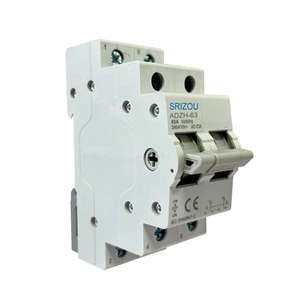
If you suspect contact wear, it's important to replace the contacts as soon as possible. Continuing to use a switch with worn contacts can lead to more serious problems, such as short circuits or even fires. You can check out our Black Isolator Switch, which is designed with high - quality contacts to minimize wear and tear.
2. Insulation Failure
Insulation is a critical part of an isolator switch. It prevents electrical current from flowing where it shouldn't, protecting both the equipment and the people working on it. However, insulation can fail over time due to a variety of factors.
One common cause of insulation failure is moisture. If the isolator switch is installed in a damp or humid environment, moisture can seep into the insulation, reducing its effectiveness. Chemical exposure is another culprit. Exposure to corrosive chemicals can break down the insulation material, making it more conductive.
A tell - tale sign of insulation failure is electrical leakage. You might notice a small current flowing even when the switch is in the off position. This can be detected using a sensitive ammeter. Another symptom is the presence of electrical shocks or tingling sensations when touching the switch or nearby equipment.
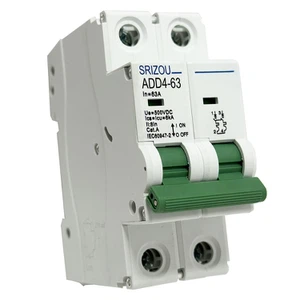
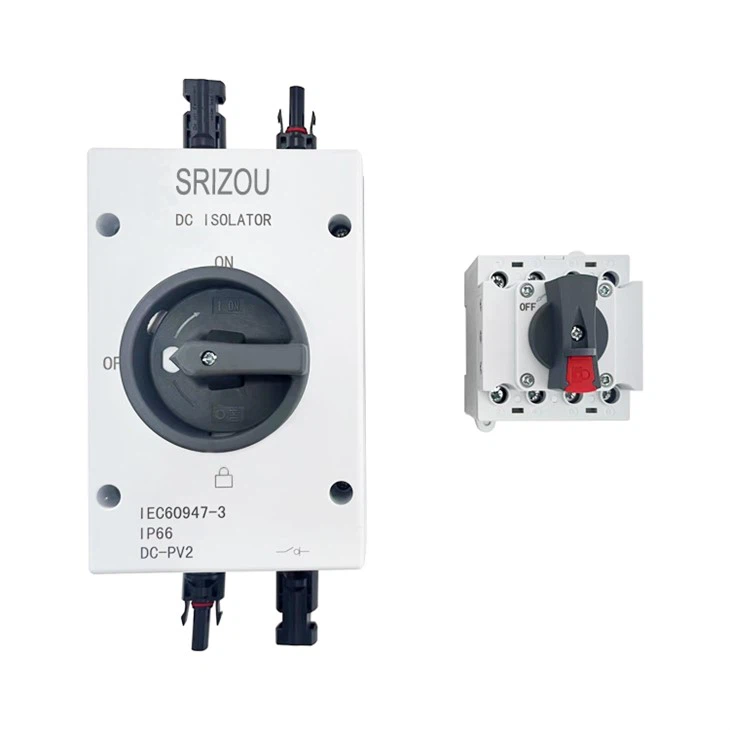
To prevent insulation failure, it's important to choose an isolator switch with high - quality insulation and to install it in a suitable environment. Our Dc Isolator Switch is built with robust insulation that can withstand a range of environmental conditions.
3. Operating Mechanism Issues
The operating mechanism of an isolator switch is what allows you to turn the switch on and off. It can be a manual lever, a motor - driven mechanism, or a combination of both. Over time, this mechanism can develop faults.
One common problem is mechanical wear. The moving parts in the operating mechanism can wear out due to repeated use. This can cause the switch to become difficult to operate. You might find that you have to use more force than usual to turn the switch on or off.
Another issue is misalignment. If the switch is not installed correctly or if it has been subjected to physical shock, the operating mechanism can become misaligned. This can prevent the switch from fully closing or opening, leading to poor electrical contact.
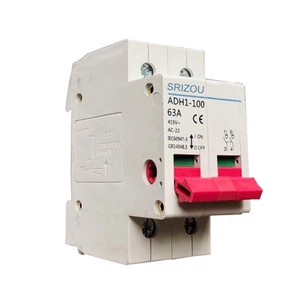
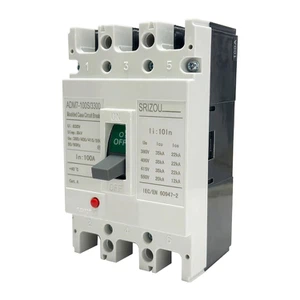
If you're experiencing problems with the operating mechanism, it's important to have it inspected by a professional. In some cases, the mechanism can be repaired, but in others, it might need to be replaced. Our 3 Pole Isolator Switch comes with a reliable operating mechanism that is designed for long - term use.
4. Corrosion
Corrosion is a major problem for isolator switches, especially those installed in outdoor or harsh environments. When the metal parts of the switch are exposed to moisture, oxygen, and other corrosive substances, they can start to rust and corrode.
Corrosion can affect both the contacts and the structural parts of the switch. On the contacts, it can increase the resistance, leading to overheating and poor electrical performance. On the structural parts, it can weaken the switch, making it more prone to mechanical failure.
You can usually spot corrosion by looking for signs of rust or discoloration on the switch. If the corrosion is severe, you might also notice that the switch is starting to fall apart or that the moving parts are sticking.
To prevent corrosion, it's important to choose a switch with a corrosion - resistant coating. Regular maintenance, such as cleaning and lubrication, can also help to extend the life of the switch.
5. Overloading
Overloading occurs when the isolator switch is subjected to a current that is higher than its rated capacity. This can happen if the switch is installed in a circuit that has a higher load than it was designed for or if there is a sudden surge in current.
When an isolator switch is overloaded, the contacts can overheat, leading to contact wear and possible melting. The insulation can also be damaged due to the excessive heat. Over time, this can cause the switch to fail completely.
To avoid overloading, it's crucial to choose the right isolator switch for your application. Make sure to check the rated current of the switch and compare it with the expected load in the circuit. If you're not sure, our team of experts can help you select the appropriate switch.
6. Improper Installation
Last but not least, improper installation can lead to a host of problems with isolator switches. If the switch is not installed correctly, it might not make proper electrical contact, or it could be more prone to mechanical damage.
For example, if the switch is not tightened properly, the contacts might not be in full contact, leading to increased resistance and overheating. If the switch is installed in a location where it is exposed to physical shock or vibration, the internal components can be damaged over time.
To ensure proper installation, it's recommended to have a qualified electrician install the isolator switch. They have the knowledge and experience to install the switch correctly and safely.
In conclusion, isolator switches are essential for electrical safety, but they can develop faults over time. By being aware of these common faults and taking the necessary preventive measures, you can ensure the reliable operation of your isolator switches. If you're in the market for a high - quality isolator switch or if you have any questions about the faults and maintenance of isolator switches, don't hesitate to get in touch with us. We're here to help you find the best solution for your electrical needs.
References
- Electrical Installation Handbook, Schneider Electric
- Handbook of Electrical Engineering, McGraw - Hill
Send Inquiry