

How to maintain an AC contactor?
Jun 24, 2025
Leave a message
As a seasoned supplier of AC contactors, I've witnessed firsthand the pivotal role these components play in electrical systems. AC contactors are essential for controlling the flow of electricity in various applications, from industrial machinery to commercial buildings. However, like any electrical device, they require proper maintenance to ensure optimal performance and longevity. In this blog post, I'll share some valuable insights on how to maintain an AC contactor effectively.
Understanding the Basics of an AC Contactor
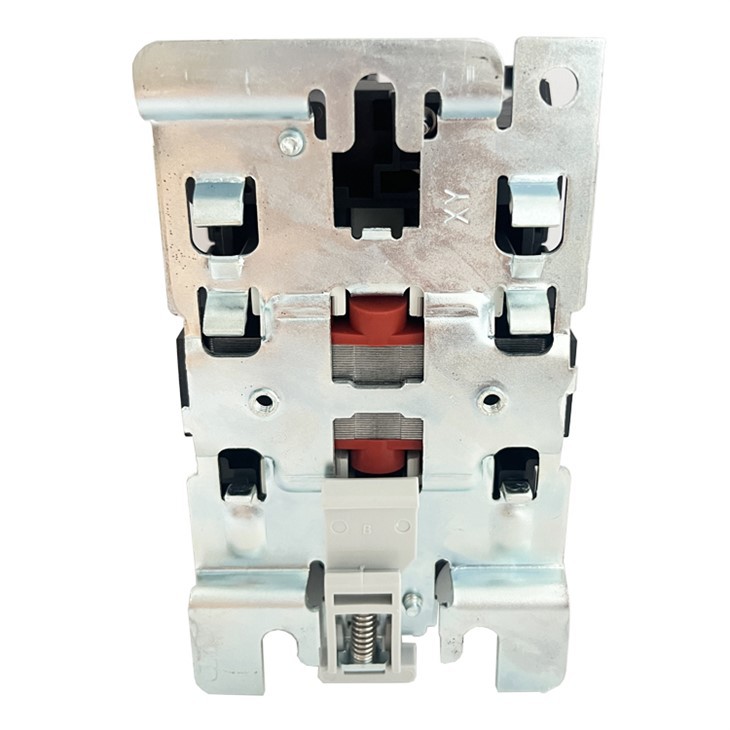
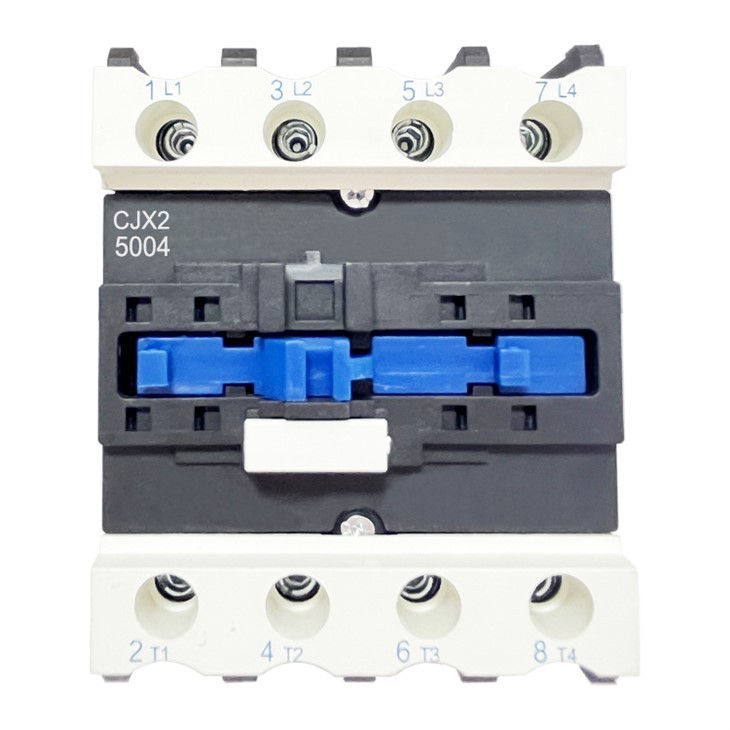
Before delving into maintenance tips, it's crucial to understand the basic components and functions of an AC contactor. An AC contactor typically consists of a coil, contacts, and an enclosure. The coil is energized to create a magnetic field, which pulls the contacts together, allowing current to flow. When the coil is de-energized, the contacts separate, interrupting the current flow.
Regular Inspection
Regular inspection is the cornerstone of AC contactor maintenance. By conducting routine checks, you can identify potential issues early on and prevent costly breakdowns. Here are some key aspects to inspect:
Visual Inspection
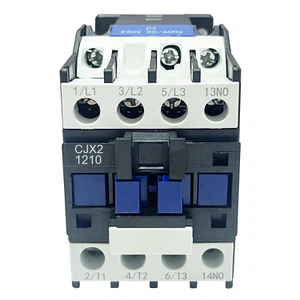
- Contacts: Check the contacts for signs of wear, pitting, or burning. Worn or damaged contacts can cause arcing, which can lead to overheating and premature failure. If you notice any significant damage, replace the contacts immediately. You can find high-quality replacement contacts for various models, such as the Cjx2 1210 Contactor, Cjx2 5011, and Cjx2 8011, from our extensive product range.
- Coil: Inspect the coil for any signs of damage, such as cracks or burns. A damaged coil can cause the contactor to malfunction or fail to operate. If you suspect a problem with the coil, test it using a multimeter to measure its resistance. If the resistance is outside the specified range, replace the coil.
- Enclosure: Examine the enclosure for any signs of damage or corrosion. A damaged enclosure can expose the internal components to dust, moisture, and other contaminants, which can affect the contactor's performance. If the enclosure is damaged, replace it to ensure proper protection.
Electrical Testing
- Contact Resistance: Use a multimeter to measure the contact resistance of the contacts. High contact resistance can indicate a problem with the contacts, such as dirt, oxidation, or wear. If the contact resistance is too high, clean the contacts using a contact cleaner or sandpaper.
- Coil Voltage: Measure the voltage across the coil to ensure it is within the specified range. If the voltage is too low, the contactor may not operate correctly. If the voltage is too high, it can cause the coil to overheat and fail.
Cleaning and Lubrication
Cleaning and lubrication are essential for maintaining the performance of an AC contactor. Over time, dust, dirt, and other contaminants can accumulate on the contacts and other components, which can affect the contactor's operation. Here's how to clean and lubricate an AC contactor:
Cleaning
- Contact Cleaning: Use a contact cleaner or sandpaper to clean the contacts. Be careful not to damage the contacts during the cleaning process. After cleaning, use a clean cloth to wipe away any residue.
- Enclosure Cleaning: Clean the enclosure using a damp cloth. Avoid using abrasive cleaners or solvents, as they can damage the enclosure.
Lubrication
- Moving Parts: Apply a small amount of lubricant to the moving parts of the contactor, such as the armature and the contacts. This will help reduce friction and wear, and ensure smooth operation. Use a lubricant that is specifically designed for electrical contacts.
Proper Installation and Mounting
Proper installation and mounting are crucial for the reliable operation of an AC contactor. Here are some tips to ensure proper installation:
- Mounting Location: Install the contactor in a clean, dry, and well-ventilated location. Avoid installing the contactor in areas where it may be exposed to excessive heat, moisture, or vibration.
- Wiring: Ensure that the wiring is properly connected and secured. Use the correct wire size and type, and follow the manufacturer's wiring diagram. Loose or incorrect wiring can cause electrical problems and increase the risk of fire.
- Torque: Tighten the mounting screws and terminals to the specified torque. Over-tightening can damage the contactor, while under-tightening can cause loose connections.
Environmental Considerations
The environment in which the AC contactor operates can have a significant impact on its performance and longevity. Here are some environmental factors to consider:
- Temperature: High temperatures can cause the contactor to overheat, which can lead to premature failure. Ensure that the contactor is installed in an area where the temperature is within the specified range. If the temperature is too high, consider using a cooling device, such as a fan or a heat sink.
- Moisture: Moisture can cause corrosion and electrical problems. Avoid installing the contactor in areas where it may be exposed to moisture, such as near water sources or in humid environments. If the contactor is exposed to moisture, dry it thoroughly before operating it.
- Dust and Dirt: Dust and dirt can accumulate on the contacts and other components, which can affect the contactor's operation. Install the contactor in a clean environment, and use filters or other protective measures to prevent dust and dirt from entering the contactor.
Training and Education
Proper training and education are essential for ensuring the safe and effective maintenance of an AC contactor. Make sure that your maintenance personnel are trained in the proper use of tools and equipment, and are familiar with the manufacturer's maintenance instructions. Provide ongoing training and education to keep your maintenance personnel up-to-date on the latest technologies and best practices.
Conclusion
Maintaining an AC contactor is essential for ensuring its reliable operation and longevity. By following the tips outlined in this blog post, you can keep your AC contactors in good working condition and prevent costly breakdowns. Remember to conduct regular inspections, clean and lubricate the contactor, install it properly, and consider the environmental factors. If you have any questions or need further assistance with AC contactor maintenance, please don't hesitate to contact us. We're here to help you find the right solutions for your electrical needs. Whether you're looking for the Cjx2 1210 Contactor, Cjx2 5011, Cjx2 8011, or any other AC contactor, we have a wide range of high-quality products to meet your requirements. Contact us today to discuss your procurement needs and explore the best options for your projects.
References
- Electrical Installation and Maintenance Handbook
- AC Contactor Manufacturer's Manuals
Send Inquiry