


How to balance the load in a distribution box?
Jun 17, 2025
Leave a message
Hey there! As a supplier of distribution boxes, I've seen firsthand the importance of load balancing in these crucial electrical components. In this blog, I'm gonna share some tips on how to balance the load in a distribution box, so let's dive right in!
Understanding the Basics of Load Balancing
Before we get into the nitty - gritty of load balancing, let's understand what it means. A distribution box is like the heart of an electrical system, where power from the main supply is divided and sent to different circuits. Load balancing is all about making sure that the electrical load is evenly distributed across these circuits. This is super important because an uneven load can lead to overheating, circuit breakers tripping, and even electrical fires.
Think of it like a seesaw. If you have a heavy kid on one side and a light kid on the other, the seesaw won't work properly. Similarly, if one circuit in your distribution box is overloaded while others are under - utilized, it spells trouble.
Assessing the Electrical Load
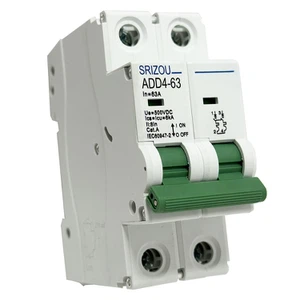
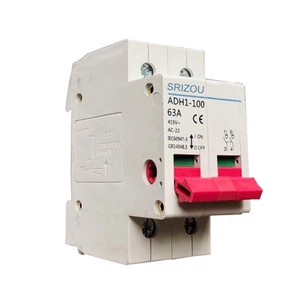
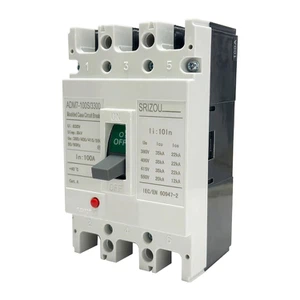
The first step in load balancing is to figure out how much electrical load each circuit can handle and how much load is actually being put on them. You can start by looking at the rating of the circuit breakers in your distribution box. Each breaker has a specific ampere rating, which tells you the maximum amount of current it can safely carry.
Next, make a list of all the electrical devices connected to each circuit. For each device, find out its power consumption in watts. You can usually find this information on the device's label. Then, use the formula (I=\frac{P}{V}) (where (I) is current in amperes, (P) is power in watts, and (V) is voltage) to calculate the current draw of each device.


Once you have the current draw of all the devices on each circuit, add them up. Compare this total with the ampere rating of the circuit breaker. If the total current draw is close to or exceeds the breaker's rating, that circuit is overloaded.
Redistributing the Load
Now that you know which circuits are overloaded, it's time to redistribute the load. This might involve moving some electrical devices from an overloaded circuit to an under - utilized one.
Let's say you have a circuit that powers your kitchen appliances and it's overloaded. You could move a small appliance like a toaster to a circuit that powers your living room lights, which might have some capacity left.
However, be careful when moving devices. Make sure that the new circuit can handle the additional load. Also, consider the type of devices. For example, some devices, like air conditioners and heaters, are high - power devices and might need dedicated circuits.
Using Advanced Load Balancing Techniques
In some cases, especially in larger electrical systems, you might need to use more advanced load - balancing techniques. One option is to use a smart distribution box. These boxes come with built - in sensors and controllers that can automatically monitor and adjust the load distribution.
Another option is to use a load - shedding system. This system can detect when a circuit is overloaded and automatically turn off non - essential devices to prevent the breaker from tripping.
Importance of Regular Maintenance
Load balancing isn't a one - time thing. You need to regularly check and adjust the load distribution in your distribution box. Over time, you might add new electrical devices or change the usage patterns of existing ones, which can affect the load balance.
Regular maintenance also includes inspecting the distribution box for any signs of wear and tear, loose connections, or corrosion. These issues can also cause problems with load balancing and overall electrical safety.
Types of Distribution Boxes for Better Load Balancing
When it comes to choosing a distribution box, there are different types that can help with load balancing. For example, a Plastic Distribution Box is a great option for many applications. It's lightweight, corrosion - resistant, and can be easily installed.
If you're in an area where there's a risk of water exposure, a Waterproof Distribution Box is a must. These boxes are designed to keep water out, ensuring the safety and proper functioning of the electrical components inside.
Conclusion
Balancing the load in a distribution box is essential for the safety and efficiency of your electrical system. By understanding the basics of load balancing, assessing the electrical load, redistributing the load when necessary, using advanced techniques, and performing regular maintenance, you can keep your distribution box running smoothly.
If you're in the market for a high - quality distribution box or need more advice on load balancing, don't hesitate to get in touch. We're here to help you make the right choices for your electrical needs. Whether you need a plastic distribution box or a waterproof one, we've got you covered. Let's work together to ensure a safe and efficient electrical system!
References
- "Electrical Wiring Residential" by Ray C. Mullin and Phil Simmons
- "National Electrical Code Handbook" by NFPA
Send Inquiry