

Can an ELCB with MCB be used as a substitute for an RCCB?
Jun 04, 2025
Leave a message
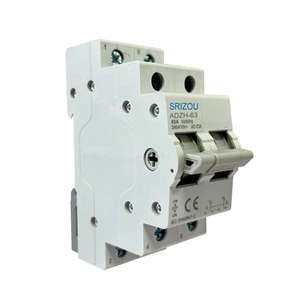
Hey there! As a supplier of ELCB with MCB, I often get asked if an ELCB with MCB can be used as a substitute for an RCCB. It's a question that many folks in the electrical field are curious about, so I thought I'd break it down in this blog post.
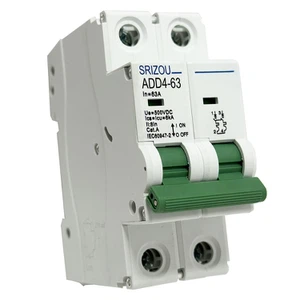
First off, let's quickly go over what these things are. An ELCB (Earth Leakage Circuit Breaker) is designed to detect earth leakage currents. When it senses that current is flowing to the earth in an abnormal way, it trips the circuit to prevent electrical shocks and potential fires. An MCB (Miniature Circuit Breaker), on the other hand, is mainly for protecting against overloads and short - circuits. It cuts off the power when there's too much current flowing through the circuit.
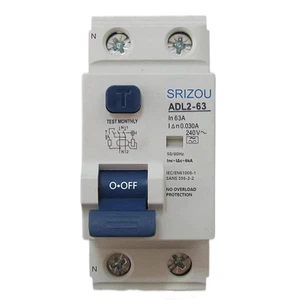
Now, an RCCB (Residual Current Circuit Breaker) is a device that also detects the imbalance in current between the live and neutral conductors. If there's an imbalance, it means that some current is likely leaking to the earth, and the RCCB will trip the circuit.
So, can an ELCB with MCB replace an RCCB? Well, it depends on the situation.
Similarities between ELCB with MCB and RCCB
Both ELCB with MCB and RCCB are focused on electrical safety. They're both designed to protect people from electrical shocks and prevent damage to electrical equipment. For instance, in a domestic setting where you have various electrical appliances running, both types of devices can play a crucial role in ensuring that if there's an electrical fault, the power is cut off quickly.
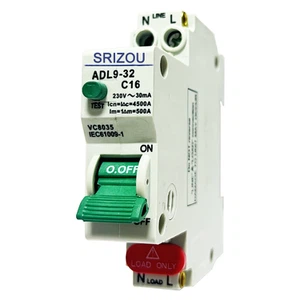
The ELCB part of the ELCB with MCB and the RCCB both have the ability to detect earth leakage. If there's a fault in an appliance that causes current to leak to the earth, they can sense this and break the circuit. The MCB in the ELCB with MCB setup also provides the added protection against overloads and short - circuits, which is a bonus feature that not all RCCBs have.
Differences between ELCB with MCB and RCCB
One of the main differences is in their detection mechanisms. An RCCB works by continuously monitoring the difference in current between the live and neutral conductors. If this difference exceeds a certain pre - set value (usually a few milliamperes), it trips.
On the other hand, an ELCB in an ELCB with MCB setup typically requires a connection to the earth electrode. It measures the current flowing through the earth connection. If there's an abnormal current flow to the earth, it trips. This means that an ELCB's performance can be affected if the earth connection is not proper. For example, if the earth electrode has a high resistance due to poor installation or corrosion, the ELCB may not function as effectively.


Another difference is in their response time. RCCBs generally have a faster response time compared to some ELCBs. In situations where a very quick disconnection is required to prevent severe electrical shocks, an RCCB might be a better choice.
When an ELCB with MCB can be a substitute
In some less critical applications, an ELCB with MCB can work as a substitute for an RCCB. For example, in a small workshop where the electrical loads are not too complex and the risk of electrical shock is relatively low. If the earth connection is reliable, the ELCB in the ELCB with MCB setup can effectively detect earth leakage, and the MCB can protect against overloads and short - circuits.
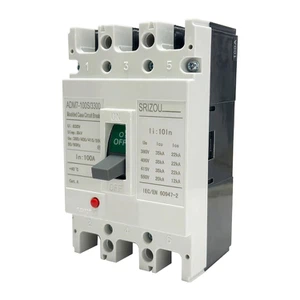
Let's say you have a small DIY workshop with a few power tools. As long as you ensure that the earth connection is in good condition, an ELCB with MCB can provide sufficient protection. You can check out more about Earthleakage With Overload Protection on our website to see how our ELCB with MCB products offer this kind of protection.
When an RCCB is preferred
In high - risk areas such as hospitals, swimming pools, or industrial settings, an RCCB is usually the better option. These places have a higher probability of electrical faults and a greater need for fast and reliable protection.
In a hospital, for example, there are many sensitive medical devices. A sudden electrical shock can be life - threatening to patients. RCCBs, with their fast response times and reliable detection mechanisms, are more suitable to ensure the safety of patients and medical staff.
Single - Phase Applications
For single - phase electrical systems, Single Phase Elcb with Mcb can be a great choice in many cases. In a typical single - phase domestic installation, an ELCB with MCB can provide comprehensive protection. It can handle the normal electrical loads of a household, including lighting, small appliances, and maybe a small air - conditioner. The MCB protects against overloads that might occur if too many appliances are used simultaneously, and the ELCB guards against earth leakage.
However, in a single - phase system where there are high - power single - phase equipment or where a very high level of safety is required, an RCCB might still be the preferred option.
Making the decision
When deciding whether to use an ELCB with MCB or an RCCB, you need to consider several factors. These include the type of electrical installation (domestic, commercial, or industrial), the level of electrical risk, the quality of the earth connection, and the specific requirements of the electrical loads.
If you're on a tight budget and your electrical setup is relatively simple, an ELCB with MCB can be a cost - effective solution. It gives you both earth leakage protection and overload/short - circuit protection in one device. But if you're dealing with a high - risk environment or need the fastest possible response in case of an electrical fault, an RCCB is the way to go.
As a supplier of ELCB with MCB, I'm always here to help you make the right choice. If you have any questions about which product is suitable for your specific situation, feel free to reach out. We can have a detailed discussion about your electrical needs and guide you to the best solution. Whether it's for a small home project or a large - scale industrial installation, we've got the expertise to assist you.
So, if you're interested in our ELCB with MCB products or want to discuss your electrical protection requirements further, don't hesitate to contact us for a procurement discussion. We'll work with you to find the most suitable solution for your needs.
References
- Electrical Installation Handbook, Schneider Electric
- Electrical Safety Standards and Guidelines, National Electrical Code
Send Inquiry